AWAY's 2019 Culture Crisis: Is It Time To Check Your Culture Baggage?
Have you ever been rushing to make your flight, only to turn around and find that you’ve left a trail of unmentionables and clothing strewn across several gates because your suitcase broke and you didn’t realize it? That is exactly what happened to Jen Rubio several years ago. It inspired her to develop a new class of luggage with Stephanie Korey, a fellow colleague from Warby Parker. Together they created the brand AWAY, setting out to apply the same disruptive principles to the luggage industry as Warby Parker did with the prescription glasses market.
AWAY has always intrigued me both with their luggage and culture. Their luggage is thoughtfully designed, stylish and functional.
They address the pain points of travel with an interior compression system, hidden laundry bag and a battery to charge your device. The company had such rapid success that I wondered about the culture. With founders coming from Warby Parker, who is intentional about shaping culture, I figured AWAY would adopt the same thoughtful approach. Until an unflattering article came out in The Verge in December, leaving little doubt about the toxic culture.
The article describes a cringe-worthy culture where employees are not allowed to email each other. All communication takes place on Slack and private channels were discouraged and monitored. Direct messages were only to be used for things like “Do you want to go to lunch?” All work to be done out in the open. The policies didn’t create transparency, they created a culture of intimidation and constant surveillance. Mistakes were broadcast across these open channels and employees were publicly shamed, often by CEO Stephanie Korey.
The rapid growth created a strain on employees to meet demand. The CEO twisted company values to criticize and publicly humiliate employees for taking time off: “Empowered employees don’t schedule time off when things were busy, regardless of how much they’ve been working. Customer-obsessed employees do whatever it takes to make consumers happy, even if it came at the cost of their own well-being.”
Employees describe being overworked, underpaid and shamed, even taking screen shots of the Slack messages as evidence. After working a long day during the busy holiday period, a manager sent a message: “Okay everyone! Take a photo with your computer in bed when you get home. Here’s mine!” She posted this message at 1am sitting in bed working with a mask on her face (Sigh…leaders, don’t do this…any of it.)
I don’t know anyone who works for AWAY. I also don’t have first-hand experience with the company or even own a piece of their luggage. I have to assume there are good parts of their culture that weren’t covered because people still work there. From what I read in that article, I see some common culture traps that both new and well-established companies fall into. So often the intention isn’t what is experienced, and the environment is so toxic, employees are too afraid to let the emperor know he isn’t wearing clothes.
Every company I have worked with holds up transparency as a value. But the experience of that in companies is very different. A common mistake that AWAY made is to define it as everything being done out in the open. But that actually creates the reverse effect. When you feel like you are being watched, you stop sharing. You aren’t as constructively critical. You operate from a place of fear vs. sharing without fear. Particularly in an environment where public shaming takes place. Instead of all of the energy being directed at doing the work, it is directed towards anticipating watching their backs and bracing themselves for difficult interactions.
For transparency to work, you have to define what you are transparent about at the team and company level. Where and when are there common places where information is shared. Where and when will leaders share information? When and where will employees receive feedback? Treat people like adults for the rest. Instead of public shaming, AWAY would have done better to address feedback with employees individually, discussing what they could do differently going forward. At the team level, discuss mistakes and lessons learned as a group - without fear of retribution.
Rapid growth can challenge getting proper time for recover and wellness. By the time companies decide to add headcount, leverage contractors or even step back to brainstorm different alternatives, it’s too late. Employees are burnt out and don’t sleep enough. If your norm is working to 1am and encouraging people to post pictures of themselves working instead of sleeping, you have and are the problem. You are reinforcing an environment where that is acceptable. You impact the organizational wellness, weaken employee’s opinions of you and send the message that you don’t value their health or time.
Resilience isn’t just rest and wellness. It is helping your employees recover from mistakes. Every employee should make mistakes and not fear them. Provided they are new mistakes, they show growth and allow for learning. Leaders have to help employees process the mistake, figure out how to recover and determine what to do differently. Failing to help employees recover from mistakes means you are getting less engagement and performance from the employee. Public shaming doesn’t help, it triggers fear and causes people to play smaller.
Have you ever stopped to consider what behaviors you may be encouraging or discouraging based on your actions as a leader? Do you send emails on the weekend, but tell your employees you don’t expect them to respond? The statement “You don’t have to respond” competes with the interpreted message of “I am working on the weekend.” Some on your team may interpret this as “I probably should too.” Even if they don’t respond, the messages likely steal some mental energy. As a leader, people notice when your actions contradict your words.
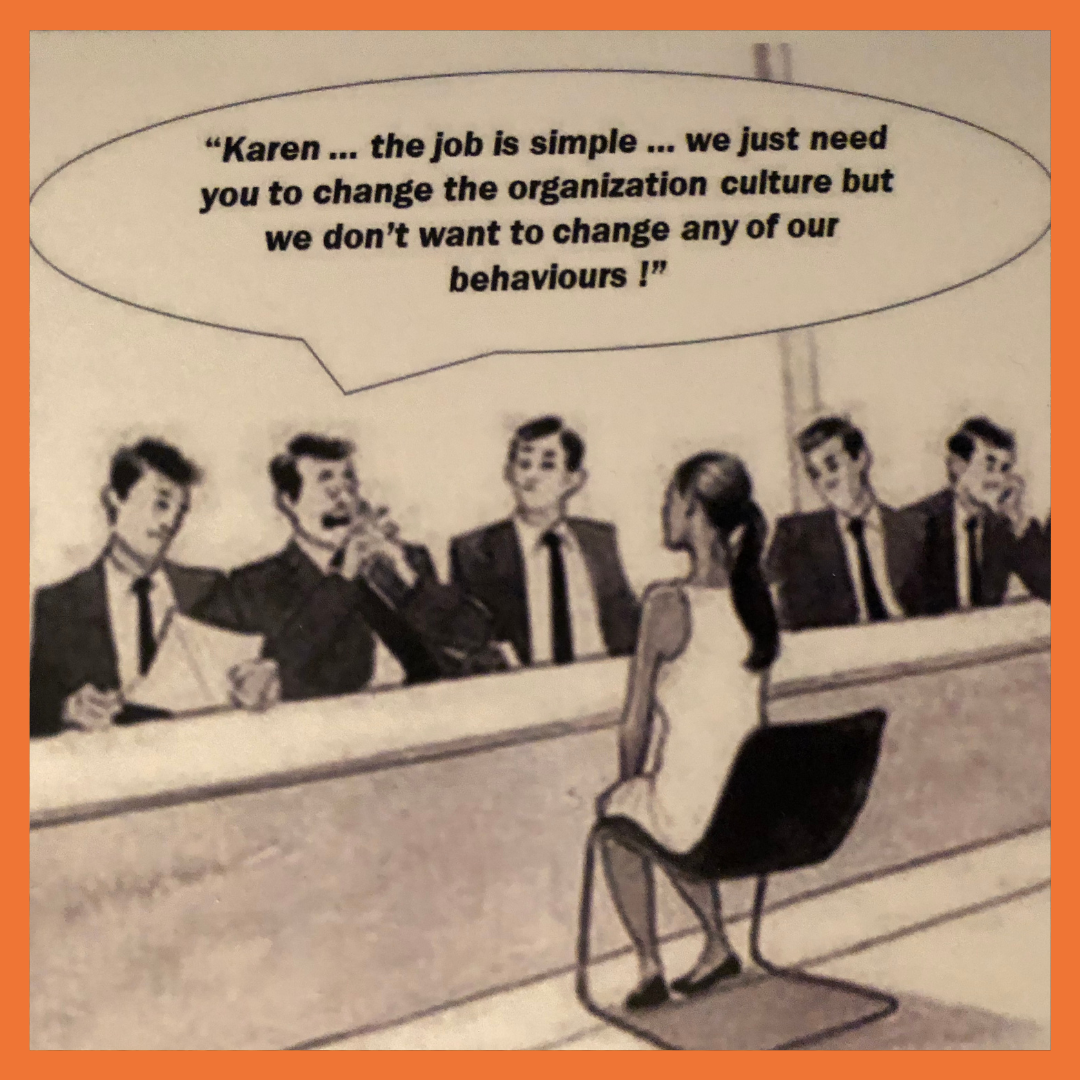
Culture is shaped through each interaction at the team level. Each day, you are demonstrating what you value and encourage. It is how employees experience the culture and values of your company. Your culture is experienced as the worst behavior you are willing to tolerate. The good news is that as a leader, you can begin making changes by demonstrating what you will no longer tolerate and discourage. These typically aren’t the big things. They are the daily little actions that can make or ruin someone’s day. A moment of praise or recognition for the value someone brings. Or a negative piece of feedback not delivered with care. These all accumulate into a running tab that reinforces someone staying or leaving a company. With or without luggage in tow.
***
Want to receive more articles like this one? Sign up for Brain Food here.