Karen Eber Workplace Culture Keynote Speaker
What if Dolly Parton Wrote ‘9 to 5’ Today?
Most workplace habits were built for an office, a hierarchy, and a workforce that no longer exists. This keynote helps leaders decide what to keep and what to leave behind.



Keynote Overview
What If Dolly Parton Wrote "9 to 5" Today?
When "9 to 5" hit the radio, the workplace ran on rules everyone recognized: fixed schedules, managers who were in the room to notice you, and hierarchies that decided who got heard, promoted, and believed. Those rules didn't disappear when work changed. They simply stopped matching how people actually work.
Hybrid work, AI, distributed teams, and changing expectations of leadership have transformed the workplace. Many leadership habits haven't kept pace. Meetings still assume everyone is in the same room. Trust is still built on visibility. Feedback often follows a review cycle designed for a slower, more predictable world.
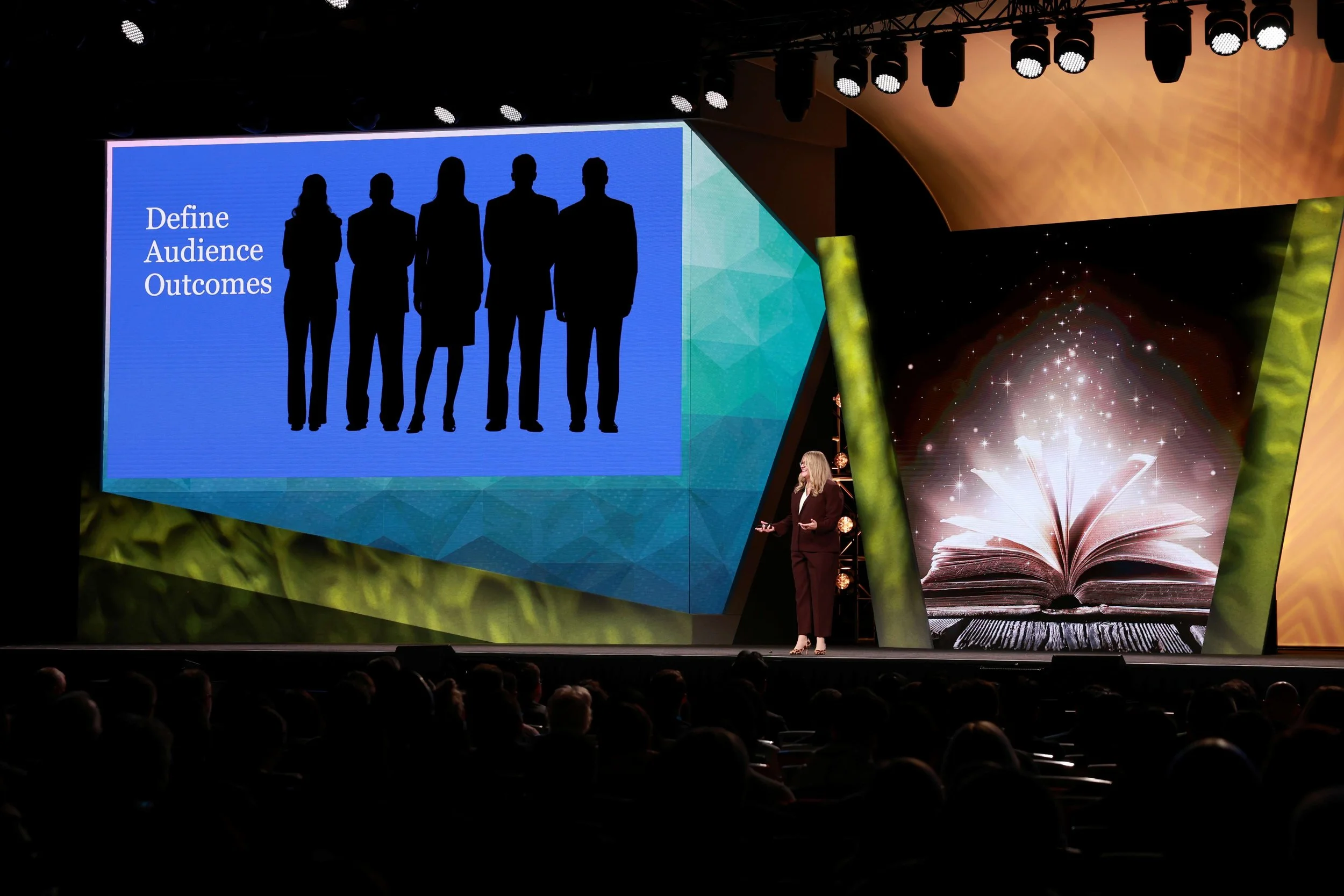
In this keynote, Karen Eber asks audiences a simple question: if you were writing the rules of work today, would you write the ones you actually follow? Drawing on neuroscience, organizational psychology, and her experience leading culture and leadership development at General Electric and Deloitte, she helps leaders distinguish the habits that still create value from those running on autopilot.
Audience Takeaways:
Identify the workplace assumptions quietly shaping decisions on their teams.
Distinguish leadership habits that still create value from those that no longer fit today's workplace.
Replace command-and-control defaults with behaviors suited for distributed, AI-assisted teams.
Build trust and accountability without relying on visibility or facetime.
Respond to change with curiosity instead of reflexively defending old habits.
Leave with a practical roadmap for what to keep, retire, and test next.
Format: 45–60 minutes | Any audience size | In-person or virtual
stylus Who is This Keynote For?
Executive leadership teams
People leaders at every level
HR, Learning & Development, and People & Culture professionals
Future of Work, leadership, and workplace culture conferences
Organizations navigating a hybrid or return-to-office policy debate, a generational shift on their team, or a broader push to modernize how they lead
show_chart Why Organizations Hire This Keynote:
To separate the habits worth keeping from the ones inherited without a decision.
To name the unintended message a leader sends every time they default to an old norm: an in-office-only schedule, a once-a-year review, a promotion pattern nobody's questioned.
To give people leaders a practical alternative to "that's how we've always done it."
To equip leaders with agility to respond to disruptions and change.
To align leadership practice with the workforce, technology, and expectations the organization actually has today, not the one it was built around.
To open a real conversation about outdated norms without it turning into a complaint session about "kids these days."
What Makes Karen Eber’s Workplace Culture Keynotes Different?
Most keynotes about the changing workplace read like trend reports: generational labels, hybrid work statistics, or assumptions about what different groups want.
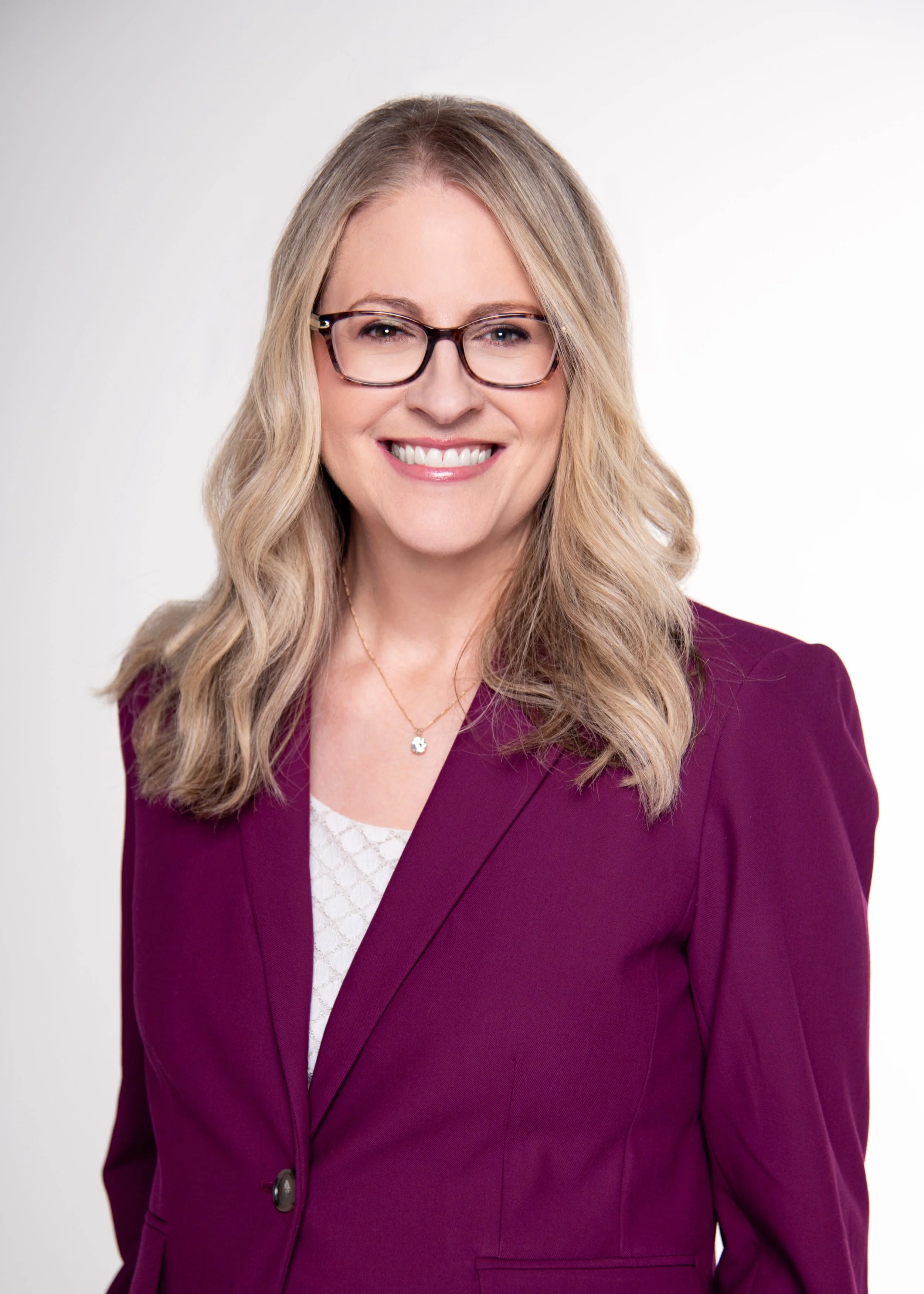
Karen approaches it differently. She built and led culture and leadership development inside two of the world's largest organizations, where these issues affected real employees, real decisions, and real business outcomes.
Through her work, Karen has educated and inspired more than 3 million people globally, including 2.25M+ views on her TED Talk and her bestselling book, The Perfect Story.
-
Build from Inside Organizations
As a former Head of Culture and Chief Learning Officer at General Electric and Head of Leadership Development at Deloitte, Karen has shaped culture and leadership inside complex organizations. This firsthand experience helps her address the challenges leaders face when building culture at scale.
-
Grounded in Research and Real Experience
Karen combines behavioral science, research, and lessons from leading culture and leadership initiatives inside global organizations to give audiences practical actions they can apply immediately.
-
Create Culture in Everyday Actions
Karen helps leaders understand that culture is not defined only by values statements or messaging. It’s created through everyday behaviors leaders reward, decisions they make, and daily experiences of employees.
Want more on Karen's background and how she works with organizations? Visit the About page or the Speaking FAQ.
Section Styles video-corners
See Karen Speak


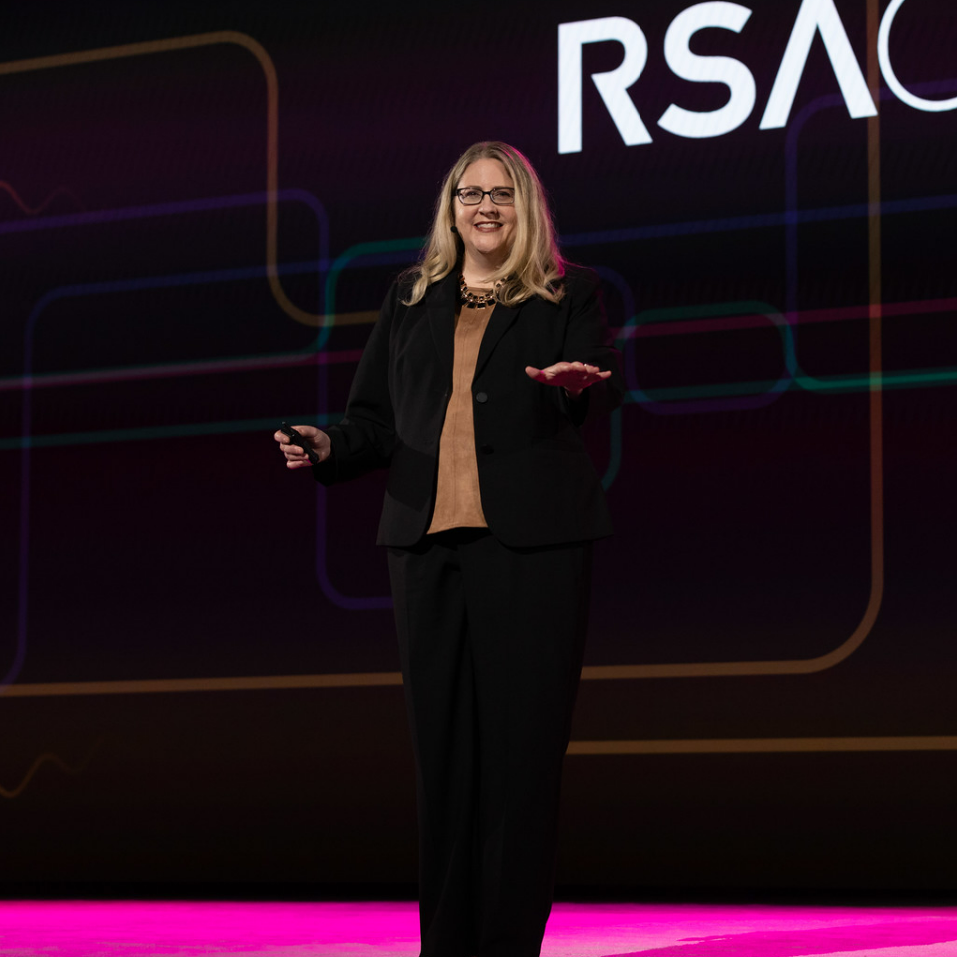
The Rules of Work Were Written By Someone Else. Are They Still Right?
Every organization runs on rules. A start time, the way decisions get made, the way feedback delivered and promotions are awarded.
Most of those rules were never voted on. They were inherited, from a manager, from "how it's always been," from a workplace that ran nine to five out of an office.
The question isn't whether your team has rules. It's whether anyone has checked if they still work. Organizations are great at starting things and slow to modify or remove them.
The organizations pulling ahead right now aren't the ones with the newest perks or the loudest culture perks.
They're the ones willing to audit their defaults: which habits build trust today, and which ones are leftover from a workplace that no longer exists.
For more insight behind this keynote, read The Complete Guide to Organizational Culture.
Frequently Asked Questions About This Keynote
-
It's a keynote by Karen Eber that examines which workplace norms and leadership habits are outdated, and which ones still earn their place. Using the question "what if Dolly Parton wrote '9 to 5' today," Karen helps leaders audit the assumptions shaping how their team works, communicates, and makes decisions.
-
Workplace culture is created through the habits leaders repeat, not the values they publish. Every meeting format, feedback cycle, and promotion decision either reinforces an old norm or builds a new one.
-
Leaders set culture through what they reward, ignore, and repeat, more than through what they say. This keynote focuses specifically on the leadership defaults inherited from an earlier era of work and how to replace the ones that no longer serve today's teams.
-
"What Story Does Your Culture Tell?" explains the mechanism: how culture forms and spreads through the stories employees tell about leadership behavior. This keynote applies that thinking to a specific problem, the outdated workplace norms and leadership defaults many organizations are still running on. Organizations often book them together: one to understand how culture forms, the other to audit which parts of their current culture are worth keeping.
-
It's frequently delivered to executive teams, people leaders, and HR/L&D audiences working through hybrid work policy, generational shifts, or leadership development.
-
Karen was Head of Culture and Chief Learning Officer at GE and Head of Leadership Development at Deloitte before advising organizations on it. She's been in the room where these decisions get made.
-
It works well as a kickoff for a broader look at workplace norms, hybrid policy, or leadership development, and pairs with Karen's Culture Transformation consulting work.
-
It's a culture keynote focused on workplace norms and leadership behavior. Leadership-specific content, including how AI is changing the skills leaders need, is covered in Karen's separate keynote, "The Human Advantage: Leadership Skills AI Can't Replace."
-
Organizations reexamining how they lead: return-to-office and hybrid policy debates, a generational shift on a team, or a broader initiative to modernize leadership practices.
-
Karen customizes examples and takeaways for your industry, audience, and specific workplace challenges through a pre-event call.
Have additional questions? Planning a keynote often comes with questions about topics, customization, workshops, travel, audience size, fees, and what to expect. Visit the Frequently Asked Questions page for answers to many of the questions organizers ask before booking Karen.

Book Karen Today
-

"Karen infuses you with confidence while making storytelling approachable and relatable."
Cyber Security Solution Architect
-

"This clicked more than other storytelling experiences: excellent information, tools, and techniques."
Head of Digital Learning
-

"Exceptional speaker with storytelling techniques that resonated across all levels."
CHRO, Power Business
-

"The presentation on storytelling was truly captivating and resonated deeply with our audience."
Enterprise Executive Leadership Development
-

"So many a-has on what makes a great story and how they influence purchasing decisions."
Marketing Strategy Leader
-

"This was the best storytelling experience: clear structure, tools, and insights!"
Head of Alumni Events
-

A delight to work with from start to finish!
Program Planner
-

"Phenomenal interactive session that felt intimate despite a large group."
VP Digital Transformation
-

"Hugely impactful presentation that understood our messaging and business."
VP Sales
-

"Keynote was the "talk of the town" with people discussing incorporating the strategies."
Program Planner
-

"Karen's presentation was a highlight of our conference."
Executive Director
-

"One of the highest-rated sessions ever!"
CEO