The Zipper
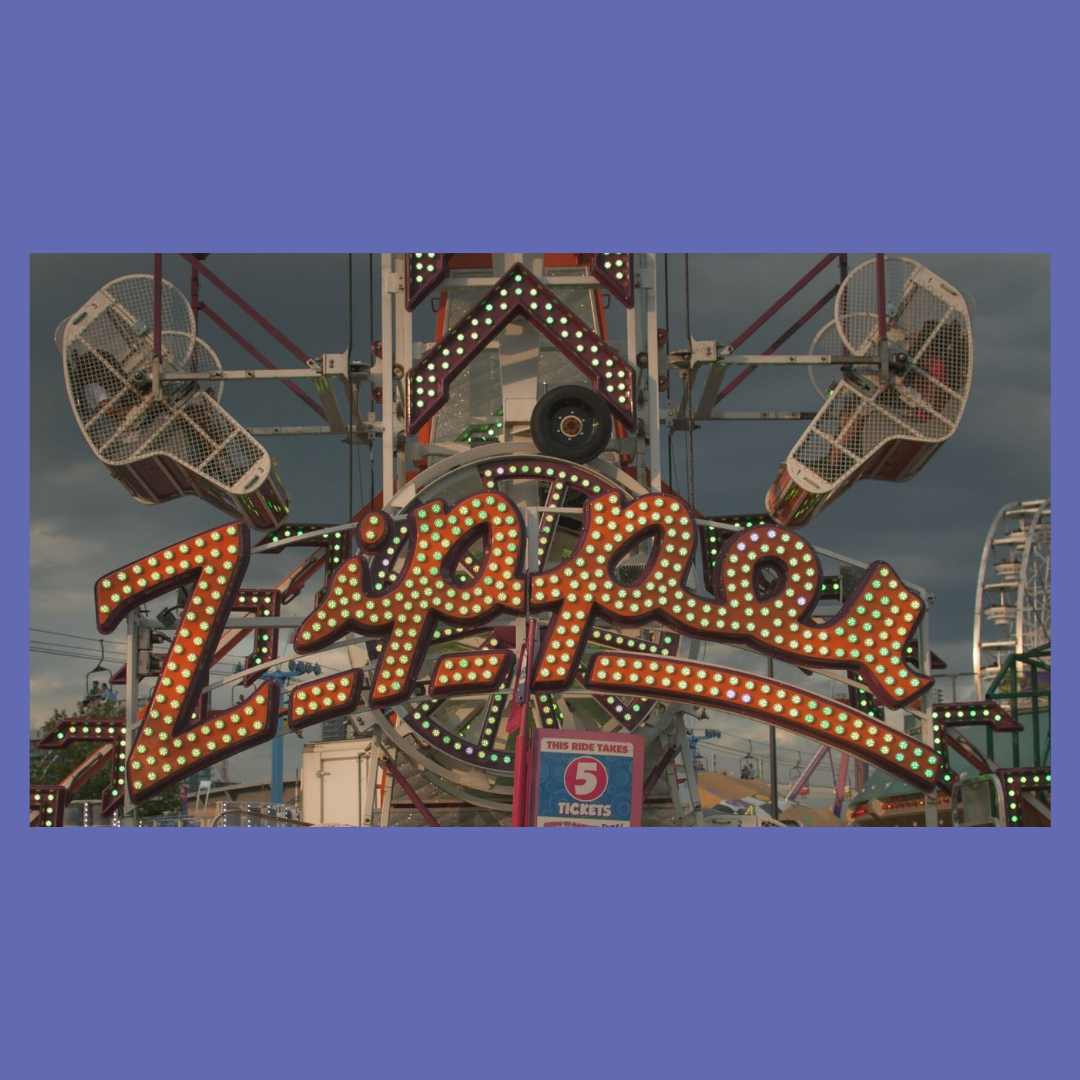
Do roller coasters excite you or create fear?
For me, it’s nausea. I have terrible motion sickness. Any movement sets me off – airplanes, boats, cars… even turning my head too quickly. I am the designated “bag holder” at amusement parks.
In college, I went to the fair with a friend. As she lined up for The Zipper, I reached for her bag.
“Nooooo, come on it with me!” Meredith said.
”You really don’t want me to do that,” I said.
“You won’t get sick. We won’t spin the car,” she protested.
I raised a skeptical eyebrow at the cars moving around a long oval-like zipper and spinning in circles.
“Please come, I don’t want to go by myself.”
Ugh. I didn't want her to go alone either. “How bad could it be” I thought?
We climbed into the car. It slowly clanked along the track then quickly whipped forward. I immediately felt dizzy, closed my eyes and focused on my breathing. I can do this, I thought. I felt like I was tumbling through space, not sure which way was up or down. I used all my energy to not get sick. After what seemed like eight minutes, the ride lurched to a halt.
“Meredith, I did it! I made it, and I didn’t get sick! I can’t believe it! Wait - why aren’t they letting us out?”
“Um Karen…we have to go in the other direction.”
My heart sank. I was a goner. There was no way I’d be able to make it through the ride in reverse. I closed my eyes again and kept breathing through the tumbles. As soon as the ride ended, I threw the gate open, pushed past the ride operator, and ran to the bathroom.
This ride had me scrambled. I couldn’t think straight. My head buzzed. I could barely manage to put one foot in front of the other. I couldn’t remember where we parked. I felt grateful I wasn’t the driver each time we had to stop on the way home.
Back at campus, I was sick for hours. Even lying motionless, the symptoms weren’t improving. Then, the fire alarm went off in my dorm. It took me a moment to realize my brain wasn’t making the noise. I couldn’t find my shoes and barely remembered to grab my keys. I ran into Meredith downstairs. We leaned against the next building while I willed the world to stop spinning on this disorienting night.
Social distancing has been hard and disorienting. These next months will likely be harder as we make complicated choices, leaving us feeling confused and scrambled. Decisions about having children return to school in-person or participate virtually are imperfect. Once made, they invite fear and doubt to linger for parents and teachers.
This stress isn’t limited to parents. Everyone has had some impact to their lives. We fear for loved ones and essential employees. We question when we can move through life freely. We yearn to see and touch loved ones. Minds and bodies are exhausted from the stress of the past several months, showing up in our productivity, sleep, mental health, and energy. It feels like we are moving backward and repeating cycles. The Zipper indeed.
The way companies support their leaders and employees in these coming months will determine their success, productivity, and shape culture. This time requires different leadership and perspective. If Anna, a team member, shared she was experiencing a significant illness or loss of an immediately family member, how might you respond? You’d likely ask Anna how she was doing and if she needed time away from work. Together, you’d discuss any shifts needed to her priorities. You’d ask her what she needs from you. As the weeks progressed, you’d check in on Anna and continue to make shifts to support her. You wouldn’t think twice about doing this because it is the decent thing to do.
These types of conversations support employees, bring out their best, and remove obstacles. The things we experience outside of work impact how we show up in work. Check in on what each person needs. Start these conversations now. They prevent a difficult conversation later. They help show where you need to shift priorities and resources. They help employees raise any issues, struggle less and perform better.
Employees want to focus on their work. Their job is likely the least confusing part of their situation. They know their role and expectations at work. What they don't know is when to fit in work. Traditional working hours are now blurred with being a teacher, a cook, a caregiver, parent, significant other, or housekeeper. Employees often suffer in silence and feel they are letting everyone down. Leaders can reinforce and embrace a flexible culture.
Your culture became more obvious during social distancing. It put a spotlight on the way work was done. Get curious about these reflections. Ask your teams and listen. What is and isn't working? What shifts should be made to priorities? What can we stop? Do we have the right resources aligned to the right priorities? Are we having the right meetings with the right people at the right time? Where are we slow to make decisions? How can we work more effectively? Listen, make shifts and listen again.
Leaders are employees too. If you are experiencing something – feeling stressed, overwhelmed or in need of a day off, employees are too. Use your own experiences as a reminder to check in on employees.
We are on this ride. We can minimize the extent it makes us scrambled and come out with stronger leadership and culture.
***
Want to receive more articles like this one? Sign up for Brain Food here.