How to give a memorable toast even when you’re put on the spot
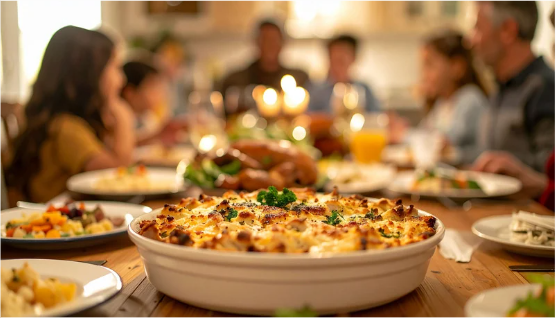
“Hey Andrew, I forgot to tell you—we have a tradition at the firm. The last person hired gives the toast at the holiday party. That would be you, so get ready for the toast tonight. Make it a great one!”
This was the voice note that my friend got a few hours before his company party. The dreaded toast, without warning. How do you speak eloquently with little notice and your brain refusing to cooperate?
Whether you have months or moments, coming up with a toast feels hard:
The birthday party when someone says, “Let’s go around and each share a toast for the guest of honor.”
The holiday table where everyone is asked to speak about the season and loved ones.
The dinner celebrating a colleague’s promotion.
A retirement party.
A family holiday gathering.
Life moments: graduations, engagements, or weddings.
A dinner party with friends.
The work dinner for your company or with new clients.
In these moments, the brain often goes blank. You feel everyone’s eyes on you, and suddenly you have no idea what to say. Yet a great toast really comes down to three things: it honors the person or occasion, reveals something meaningful about them, and shares a story the guests may not know.
Next time a surprise toast pops up, especially as we head into the holiday season, try to favorite tip for giving a toast with ease:
Remember the firsts.
First impressions, first days, first meetings, first celebrations. Go back to the earliest moment you can recall connected to the person or occasion. People love these behind-the-scenes stories. They’re usually unknown, spark nostalgia, and give you something that you can connect to the occasion.
If it’s a birthday or dinner party, when did you first met the person. What were your first impressions? How have they stayed the same or changed over time? What’s the first laugh you shared or the first adventure you had together? What is a moment when they did something that defines who they are as a person? These “firsts” give you rich, authentic stories to work with.
When toasting someone’s promotion or retirement, consider the first interaction you had with them, the first impression they made, or the first piece of advice they offered. Maybe it’s something you genuinely appreciate about working with them, what you rely on them for, or the moment when you realized that things simply wouldn’t be the same without them.
At a family or holiday gathering, think about the first time you felt welcomed into the group if you weren’t always part of the tradition. Or share the ritual that makes the gathering feel complete each year. You can also describe what you look forward to when you’re with this group—the feeling they create, the energy they bring, or the moments that always linger long after everyone goes home.
And if you’re like Andrew, giving a company toast, talk about your first day or your earliest impression of the organization. Describe what you thought they and how it compares to today.
Leaning into “firsts” helps unlock memories. These are often stories others haven’t heard, and they’re the ones that make a toast feel heartfelt and memorable.
Giving Your Toast
Use the steps below to shape your story:
Set the context by describing the setting and who is involved.
Describe the conflict: what went wrong? What was messy, complicated, unexpected, or ironic about the moment?
Explain the outcome and how the situation was resolved.
Connect the story to today and what the person or occasion means to you now.
Invite everyone to raise their glasses and join the toast.
When you begin, don’t say, “I want to tell you a story…” or “Let me tell you about the time...” Just start. Comedians don’t begin with, “Let me tell you a joke.” They simply launch in and we follow. Your audience will too.
Giving a toast doesn’t have to be intimidating. As you step into the holiday season, with all its dinners, celebrations, and unexpected “Would you like to say a few words?” moments, you’ll be ready.
You don’t need a perfectly crafted speech or a grand, cinematic story. You just need a single moment that reveals something true. When you lean into “firsts,” you tap into memories that are specific, heartfelt, and uniquely yours. Those are the stories people remember long after the gathering.
***
Want to work together? I’m currently booking keynotes, workshops and coaching for 2026. Let's start a conversation.