Storyteller Interview: Sundance
One of my favorite Storyteller Interviews for The Perfect Story was with Michelle Satter of Sundance Institute. The Sundance organization was founded in 1981 by Robert Redford with a mission to help original storytellers find audiences seeking new voices and fresh perspectives. Michelle Satter joined Robert Redford in 1981 and has founded many of the artist's programs at Sundance.
Michelle is an icon in the film industry. Many of the directors she has worked with have resulted in award-winning careers. Taika Waititi, Paul Thomas Anderson, Kimberly Peirce, and Damien Chazelle are just a few of the many she's helped. She is incredibly gifted at helping filmmakers put together unique and compelling stories.
Michelle is frequently thanked in film credits and awards speeches. This past November, she received her own Oscar as she was awarded the Jean Hersholt Humanitarian Award for her work.
My interview with Michelle was so rich, it was a struggle to determine what was able to fit in The Perfect Story. I'm so excited to bring you extras from our interview that I wasn't able to include.
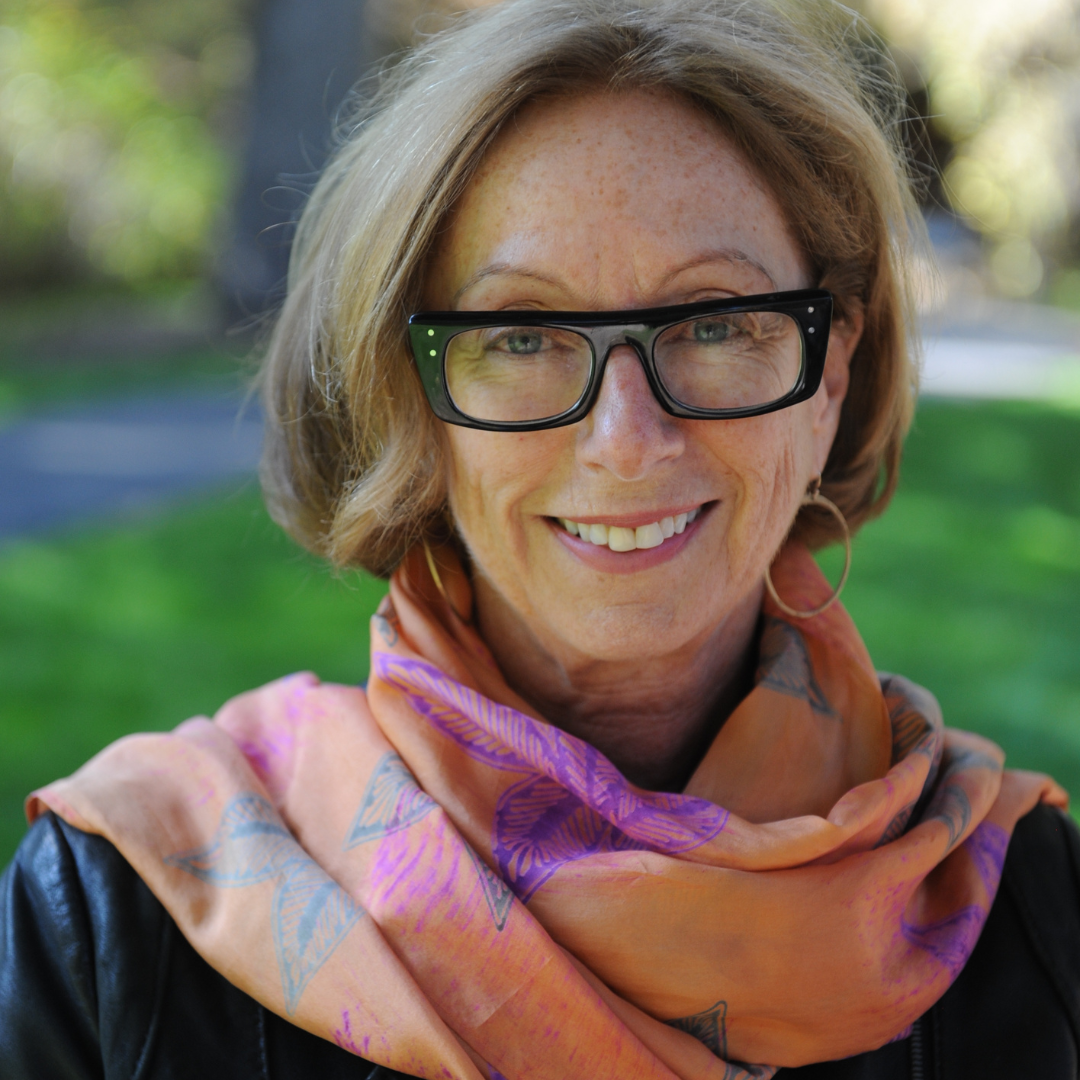
Storyteller Interview: Michelle Satter
Sundance Institute Founding Director, Artist Programs
How do you know when you’ve found unique stories?
I can feel it. I’m a big reader. I am looking for an author’s truth in how they tell a story. Or truth in the characters, the details, or the specificity of their work. I’m also looking for a personal perspective or a unique voice.
It’s recognizing a story that is coming from somebody’s deeply personal perspective. They’ve created a world with specificity and detail. Their characters feel like they are speaking from a truthful place, have complexity, and are on an emotional journey.
It feels like a discovery that opens my heart and mind. I feel like I am in the presence of an author who is going to share their vulnerabilities and unique perspective.
How do you encourage writers to find their voice?
I feel like everyone has a voice, a perspective, and a sense of their reality defined by their belief systems. Don’t try to go for what the market needs or what people want from me. Instead, focus on “What can I give to the world?”
There are so many books about writing. What you have to be careful about is that writing isn’t a formula. It’s not something like “Here’s how you write a screenplay. On page 27 is your inciting incident.” You need a structure to keep your audience engaged and invested in your story.
What can you bring to communicate and engage your audience with? Learn the craft. Ground yourself in what is unique to your perspective. What are the stories you are connected to? These are important for serving the audience the very personal perspective that you are bringing to storytelling.
I am interested when someone has a point of view, a perspective, or a voice that I haven’t seen before. Perhaps it has illuminated something for me. Or it awakens my curiosity.
Characters evolve stories. Set your characters on an emotional journey whether in a big container of a Marvel movie, in a horror film, a drama, or a comedy. People should also bring their humor and sense of vulnerability to their work as well.
Share more about Sundance Institute’s intentional approach to elevating different voices.
It’s incredibly important to create a deeper understanding of our world and common humanity. It also has the opportunity to raise questions and create a dialogue around the most important issues of our time and also make change. This is really important to me.
As a storyteller, you should tell the story only you can tell, or you are destined to tell.
How do you approach giving feedback to writers?
Whether you are writing fiction, nonfiction, a book, or a screenplay, it is important to listen to feedback but not take it personally. I start by listening and asking questions to gain clarity. I also like starting with what works well.
I will often ask, “Do you really want my honest response?” I am engaging in a dialogue, not a notes session. I want to hear where a writer is, meet them where they are, and help them think about the work and what they will continue to do on it.
I often say, “I know this is vulnerable for you and it’s hard to receive feedback. And here’s the thing. You can take all this feedback and not do anything with it. Free yourself up to take things in and not have to defend yourself. Give yourself the freedom to go on a thought experiment. Join me, roll up your sleeves, and let’s get into work.”
Many discoveries from where you’ve made mistakes or where you feel like you might have failed. Or when you get stuck. It’s important to ask the hard questions of yourself and to also ask the hard questions of your characters in that as well.
I try not to leave a meeting without giving everything I can give. You may ask questions and some of the notes that you have go away. You hear responses and recognize, “Ok, they’ve got this.” I love engaging in a dialogue about the work.
Some people will give extensive notes. I think that is an incredible act of generosity and to share those notes. I’m a little bit more instinctual. I’m going into a conversation, and I don’t have all the answers. It’s for the writer to come up with their answers.
I have to imagine no one has ever said “No, I do not want your honest feedback!”
They don’t, but if you ask, you give them ownership. If you ask them and they say, “Yes, let’s do it!” then we are accomplices at it together. I also feel if you gather a group of advisors who will be giving feedback on a script, there will often be consensus on what the problems are. But there will never be a consensus on how to solve them. That is really up to the author or writer in terms of the choices they can make.
What advice would you give to the average person about storytelling?
Capture ideas and write every day. Most writers have a collection of ideas. Some keep that little notebook with them to take notes when observing and listening. Build awareness and curiosity. Read scripts, watch movies, and listen to writers talk about their creative process. If you are interested in a particular genre, watch the movies, or read the books. It doesn’t mean you are there to copy them. You learn from other writers.
I recently heard, “Own the IP.” What that means is if you are a writer of anything – a podcast or short story, register it and own it. It’s yours. If you decide that you want to create a musical or screenplay out of it, owning it allows you to participate financially. I think that is important for artists to do. Maybe you don’t own the IP of public speaking. But there may be something specific you are talking about. This is just your thing, and it’s important to own that. It will have legs in other forms.
Want to receive more articles like this one? Sign up for Brain Food here.
When you are ready, here are three ways we can work together:
The Perfect Story: an in-depth guide on how to find and tell the perfect story for each audience.
Workshops and Executive Story Coaching: we deliver highly interactive and engaging experiences to help teams elevate their storytelling skills. We also work one-on-one to help senior executives identify and hone stories for big presentations.
Keynotes: Karen offers storytelling keynotes to help audiences in any industry understand the science of storytelling, learn how to tell great stories, and identify the perfect story for a given context (e.g., sales, entrepreneurs).