How to Build a Personal Brand That AI Recommends
A few months ago, a podcast host asked me, “What would you do differently if you were building your business today?”
It’s a great question because things have definitely changed in the seven years since I launched my business. But my response has less to do with what I’d do differently and more about how I would do it. Let’s go behind the scenes of what makes a brand, whether you are within a company, interviewing for a job, or shaping your brand as an entrepreneur.
What To Do
The secret to a great brand isn’t to focus on yourself. It’s to help the people understand how you fit into their life. Things you want to avoid:
Being too broad or generic: Statements like “I’m a problem solver” or “I’m conscientious” aren’t specific or memorable. They don’t spark curiosity or make people want to learn more about you.
Listing what you do instead of the value you create: “I’m a graphic designer” or “I’m in HR” doesn’t explain the problems you solve or the outcomes you deliver. People don’t buy job titles or services; they buy solutions to challenges.
Using jargon: Introductions filled with acronyms, internal language or industry speak fall flat. No one should need a secret vocabulary to understand what you do. If your relative can’t understand it, it’s too complicated.
Try This Instead
The strongest brands are specific, outcome-focused, audience-centered, and memorable. To define yours, complete this sentence:
I help [target audience] solve [specific problem] to [desired outcome].
Before: I teach leadership skills to new managers.
After: I help first-time managers share difficult feedback to build trust and accountability without damaging relationships.
Before: I help online businesses with operations and inventory.
After: I help e-commerce brands fix inefficient inventory management to reduce waste, improve cash flow, and scale profitably.
Before: I provide IT consulting.
After: I help mid-sized manufacturing companies solve bottlenecks and data silos to automate operations, increase efficiency, and make faster data-informed decisions.
Shifting from “Here’s what I do” to “Here’s what I help you solve” makes it easier for hiring managers and buyers to understand how you fit into their world.
Who is Your Audience?
Go deeper than surface-level demographics. Define your audience, what they struggle with, and what matters to them.
Personas: What does a week in their life look like?
Pain points: What challenges do they face? What frustrates them? What do they want to achieve?
Purchasing: Who makes the decision to hire or buy? What roles do they hold?
Where is Your Audience?
Knowing where your audience spends time is just as important as understanding who they are. Are they scrolling Linkedin during lunch? Following thought leaders on Instagram? Reading industry-specific Substack newsletters? Attending annual conferences?
Meet people where they already are. Show up consistently in those spaces. Publish where they read, speak where they gather, and participate in the communities where they seek advice. Visibility isn’t about being everywhere. It’s about being valuable in the right places.
What Makes You Unique?
Pay attention to what others in your space say and do. What advice gets repeated? What opinions feel safe and predictable?
What’s your hot take? What different perspectives do you bring? Maybe you solve a familiar problem in an unconventional way, serve an overlooked audience, or combine expertise from different fields to create new value. Make that difference central to your positioning.
Build Credibility
Credibility is built through consistency and value: sharing ideas that shift thinking, creating frameworks that simplify complexity, and offering practical tools that solve real problems.
Ask yourself:
What do people experience when they work with me?
How do I help them get unstuck?
Turn those answers into signature processes or methodologies people associate with you. Be known for specific outcomes. Consistency builds trust and credibility that motivates people to seek you out and recommend you to others.
Where to Do It
The fundamentals of branding haven’t changed, but how and where you show up has.
Until a few years ago, most people focused on websites, SEO, Linkedin and social media to get in front of audiences. Today, algorithms have shifted, content volume has exploded, and AI-generated slop floods the internet.
Answer Engine Optimization (AEO) or Generative Engine Optimization (GEO) now matter as much as (if not more) than SEO. I regularly get clients coming from ChatGPT or other AI platforms. Large Language Models (LLMs) recommend me because of years of consistent brand-building through my book, TED Talk, speaking engagements, articles, media interviews, podcasts, blogs and testimonials.
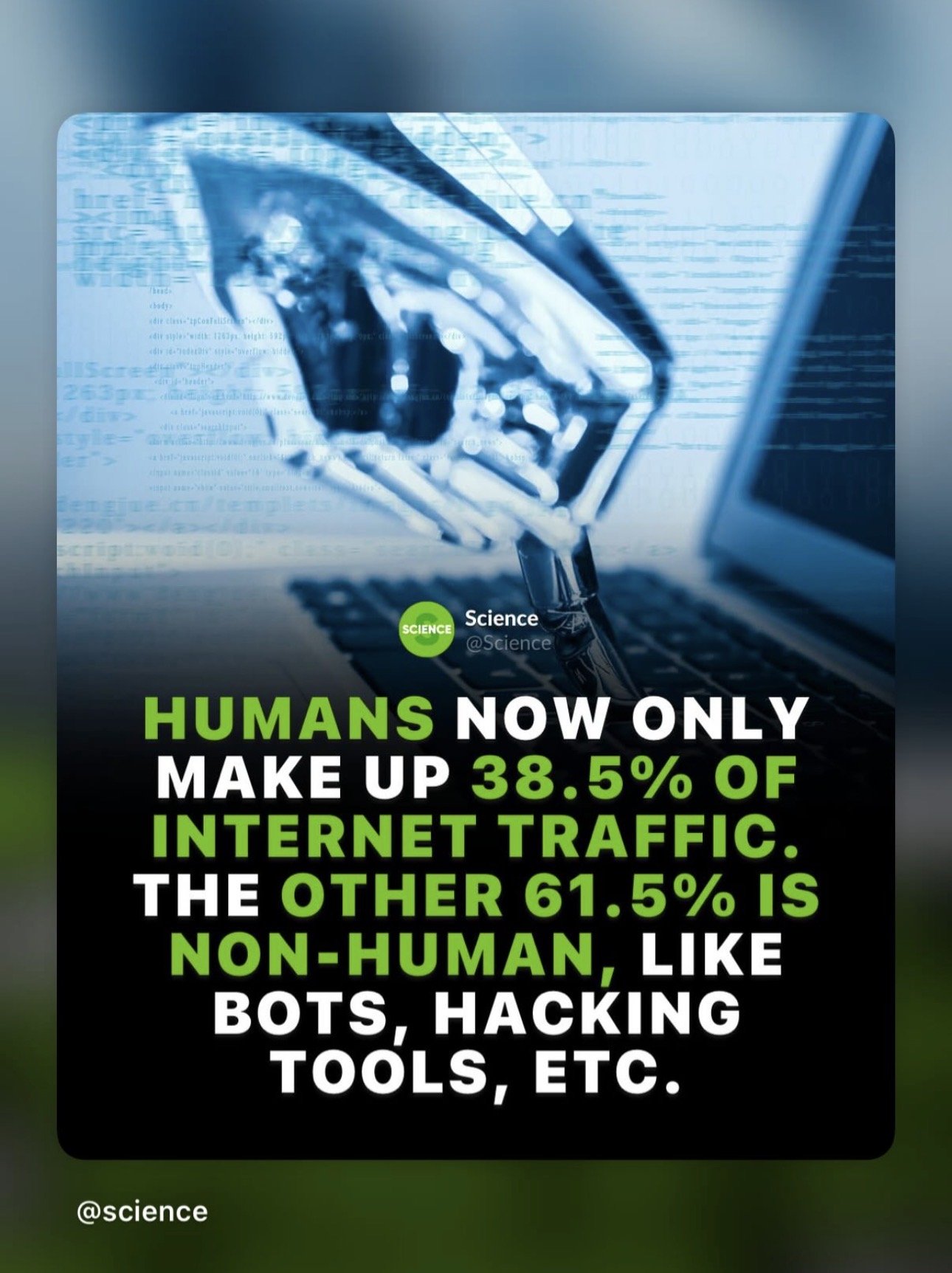
With more than half of internet traffic now nonhuman, writing for SEO alone isn’t enough. You also have to write for LLMs. These systems look for:
1.Specificity and relevance: Clear expertise for a defined audience, industry, or topic.
2. Credibility:
Published works
Frameworks
Speaking history
Professional credentials
Media mentions
Association with respected institutions
3. Accessible evidence: Clear examples, measurable outcomes, and testimonials.
Because people increasingly use AI for recommendations, you need an intentional LLM strategy.
I’ve been learning from Anat Baron, former CEO of Mike’s Hard Lemonade who scaled it to $200M and tech founder who launched two startups. I spoke with her on a panel and was immediately impressed at her insights and clarity. Anat is a fantastic keynote speaker and advisor that created The Human + AI EquationTMframework.Her work helps organizations determine what must remain human-led, what can be AI-augmented, and what can be automated.
Anat recently wrote about updating her online presence for an AI-first world and described using AI tools like an army of interns:
“I've spent the past month deeply immersed in updating my online presence. In 2026, that means ensuring the machines need to be able to find and recommend you. It means that everything I thought I knew about how to get attention is wrong. It's an AI World and we need to learn to speak their language.”
As more people search for recommendations on LLMs like ChatGPT, being found presents a new challenge. Machines do not think. They predict. And if you want to be discovered, you must meet them where they are.
It's no longer enough to have a site with great design and user experience or illuminating social media posts. It's no longer just about SEO. It's about discoverability and new acronyms like AEO, and rich internal linking, clear authority signals, and third-party mentions. It's about learning to connect the dots in a whole new way.
This is done by actually talking to the machines. So, for 4 weeks I've spent my days (and evenings) in conversation with Claude, Gemini, ChatGPT, and Grok. It's like having my very own army of interns. Why interns?They don't know me nor have context so they ask lots of questions.
They make mistakes. And then apologize.
They remind you that they're a robot so you don't get too upset with them.
They disagree with each other and try to convince you why they're right and the others are wrong.
They make you feel like they're not after your job because they still need you.
The Bottom Line
Building a brand today requires a dual strategy: one for humans and one for machines.
The fundamentals remain the same: be specific, demonstrate credibility, and solve problems for a clearly defined audience. But how you communicate that has evolved. Your brand needs to resonate in conversation, perform in search, and be discoverable by AI.
The good news: the work required to build real expertise and create valuable content serves both audiences. Start with clarity about who you serve and the impact you create. Then make sure both people and AI can find you when they need what you offer.
***
Getting clear on who you serve and the specific value you create changes everything, whether you're pitching clients or interviewing for a role.
I regularly work with people on exactly this: clarifying their positioning, sharpening their story, and making sure they're discoverable by the right audience and hiring manager. If you're working through any of this and want support, let’s start a conversation.
Karen Eber is an author, TED and keynote speaker, and communication strategist who works with frontline leaders, senior executives, and C-suite teams at Fortune 500 companies. She partners with teams across sales, marketing, communications, HR, finance, operations, legal, and IT. She works across industries including healthcare, technology, financial services, manufacturing, energy, consumer goods, retail, professional services, education, and nonprofits — helping leaders turn complex information into clear, compelling stories that drive decisions and action. She is the author of The Perfect Story. Learn more about her keynotes and workshops at kareneber.com/speaking.