How to Edit a Story: Why Great Stories Are Edited, Not Just Told
Taylor Tomlinson’s Masterclass in Telling a Great Story
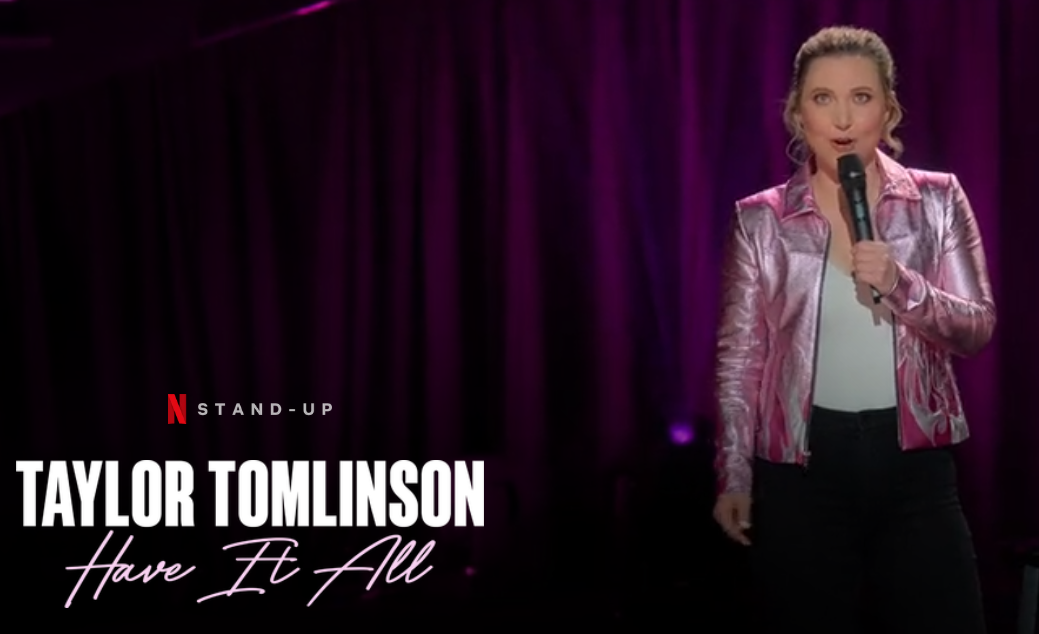
A still from Taylor Tomlinson’s Netflix Special
What makes a story unforgettable?
I get asked that question all the time, sometimes as “What’s your favorite story?” There are too many to choose from. But the ones that stick with me often share something special: they don’t just deliver a great story; they reveal the process behind it (anyone else miss the director’s commentary on DVDs?)
That’s exactly what comedian Taylor Tomlinson did. In preparing for her recently Netflix special, she spent nine months testing and rewriting the final story. Nine months on one story! Because she understood something most people overlook: endings matter (hello peak-end effect!).
The New York Times shared her process in this interactive article, and it’s a masterclass in storytelling. Each edit made the joke sharper, funnier, and more relatable. Let’s break down what Taylor did and what it teaches us about crafting stories that land.
The Setup
Nine months out, Taylor felt confident about her set, except for the ending. She wanted a closer that hit hard. Her story started simple: she was on tour when her best friend called from vacation. The friend made small talk for 15 minutes before revealing the real reason for calling.
Taylor starts building the tension from the beginning. She doesn’t spend a lot of time on a backstory. We get dropped into this phone call where we know something big is coming.
The First Pass: Conflict
Taylor presses her friend for answers:
“Seriously, what is going on right now? Why won’t you answer any of my questions?”
And she goes “Well um—I called you for a reason.”
And I said, “You guys got engaged.”
Her friend admits they got engaged and worries Taylor will be upset. Then comes this line:
“And she goes, ‘I just wanted to make sure you were in a place where you could hear it.’
Taylor sells it with a dramatic chest grab and wide eyes. It’s funny, but she’s not done. She’s just laid the foundation. As it is, it’s a funny punchline. But now she can expand it and work it into a bigger story with greater impact.
How Taylor Made It Shine
1. Add Names and Specific Details
Characters feel real when they have names. Taylor introduces Courtney (her best friend) and Todd (the boyfriend). She even admits she chose the name Todd because it’s one syllable, making it faster and funnier to say.
2. Details deepen the story:
“My best friend of 20 years, we’ve been friends since the sixth grade—Courtney. She called me, and I was in between shows. She goes, “Hey! How’s it going?’ I’m like, I’m good. I thought you were on vacation with your boyfriend?’ She said, ‘I am, but I just was thinking about you, and I wanted to see how you were doing.’
She adds some tension and a relatable twist:
“That’s how you know your best friend has met the love of their life by the way. When you can no longer speak to them alone, ever again. You call them, like about an issue and halfway through, and they’re like, By the way, Todd has been here the whole time. You don’t care, right? He doesn’t care.”
Cue the sarcasm and unexpected punchline:
“And you’re like ‘Oh no, I’m so glad Todd’s there. I called to see if Todd thought I had a yeast infection. I’m glad we get Todd’s input.’”
Why it works: We get specific names, relatable characters, and details to draw us into the story. “That’s how you know your best friend has met the love of their life…” makes us think about similar moments we’ve experienced. Now we’re hooked and want to know more.
3. Play With Sequence
In the original story, Taylor guessed the engagement before her friend confessed. As it evolves, Courtney reveals the news first. This tiny shift makes the joke land harder because now Taylor becomes the butt of the joke.
“We are engaged. And I was like, “Why did you let me talk at all?! You should have said that first!” And she said, “I don’t know…I just wanted to make sure you were in a place where you could hear it.”
This subtle swap is comedy gold.
4. Refine Cadence
Taylor swapped this:
“And I was so horrified and touched, at the same time.”
For this:
“It was so sweet, and so hurtful. I’ve never felt so seen and so insulted.”
Swapping “horrified and touched” for “so sweet and so hurtful” creates different contrast and cadence. It creates a faster rhythm with sharper emotional extremes, making the audience experience both the joy and cringe.
5. End With the Unexpected
Taylor closes with a surprise: acting out recording a congratulations video for Courtney in the middle of a standup set.
“OK on the count of three we’re going to go ‘one, two, three, congratulations Courtney!’ We did the whole thing. I sent it to her and said “I love you and I’m proud of you and I’m so happy for you. And look at all these people who paid to see me. I’m doing just fine!”
Total mic drop moment.
Use Your Body
Taylor uses her body throughout the story to make it land. She tenses her shoulders and sharpens her voice when her friend isn’t answering her questions. She opens her mouth in joy and surprise with the good news and scrunches her nose and puts her hand on her hip in defense. She brings you through her experience, even pretending to hold up a phone throughout the story.
Nonverbals are punctuation. The use of movement and expressions can emphasize and reinforce your words.
The Takeaway
Taylor didn’t just stumble on the perfect story. She built it, edit by edit, pass by pass. That’s what the best storytellers do. If you want your stories to shine, give them the Taylor treatment:
Lay out plot points and events
Drop us in at the conflict
Build and release tension
Add names and vivid details
Play with sequencing
Choose words for rhythm and contrast
Surprise the audience with the unexpected
Use gestures and expressions for emphasis
Next time you tell a story, don’t settle for good enough. Write, rewrite, tweak, cut, and add.
Then see what happens.