Don’t Eat The Crayons
In less than a week, I will be a traditionally published author! Between my keynotes and the 45 podcasts I’ve been on, I keep getting the same questions about publishing. I wanted to answer some here.
Why did you write the book? How did you get the idea?
There are a lot of books out there on storytelling. Many touch on the science behind it, but not what to do with it. I wanted to share new research in a relatable way, so people not only know what happens in the brain when we listen to stories…but also what to put into their stories to make them engaging.
I’ve found that many people think they don’t have something interesting to share or they aren’t good storytellers. It’s almost as if there is a belief that storytelling genes are handed out and you either have them or don’t. I want to make storytelling accessible and show how anyone can become a great storyteller.
How Long Did it Take You to Write? What Was Your Approach?
My literary agent and I worked on a book proposal from Feb 2021 to Sept 2021. We shopped that to different publishing houses in October 2021 and took the book to auction in November 2021. After a few rounds at auction, I had a book deal on November 5, 2021. I signed the contract with the publisher in February 2022.
I started writing different chapters in the fall of 2021. I don’t have a daily writing habit. I worked better carving out several hours to write deeply and then take a break for a few days. I’d take a walk, and then write. Three chapters were harder for me to write. I didn’t force them. I’d keep coming back until I had them worked out.
I wrote the book in about six months while I was also running my business and speaking. I had to be vigilant about my schedule and protect my writing days and rest. I was also conducting storytelling interviews, each taking about eight hours to conduct, summarize, review, and approve. The book was drafted by May 1. In June, test readers gave me feedback, and I submitted the book on September 1, 2022. I did a round of copy edits in December and formatting edits in late spring 2023. The book went to print in early July.
Are You Nervous?
I'm not nervous for people to read it; I'm excited to get it into your hands. I applied the techniques in Chapter 18: Vulnerability and Storytelling to writing this book. I'm immensely proud of it and know it’s a great book that the intended audience will love.
What Feedback Have You Received?
The first set of feedback came from the people who endorsed my book. Amy Edmondson, a professor at Harvard Business School sent me an email two days into her reading that said this:

I got teary as soon as I read her message. She was the first person who didn’t know me personally to read it. From there, I got wonderful feedback from Adam Grant, Dan Pink, Marshall Goldsmith, Dorie Clark, Frances Frei, Paul Zak, and Randi Zuckerberg. They each contributed wonderful blurbs of support that are on the jacket of the book.
The best compliment I’ve received from early readers is “I thought this was going to be a business book and it’s so applicable to anyone. It’s not a stuffy business read…it’s a fast, fun, and, packed full of ideas.” Additional early feedback:
“Super digestible -- I flew through chapters at a time but caught myself wanting to stop to take notes! This book has me paying way more attention to how I can use stories in my day-to-day.”
“I studied storytelling in school -- film, writing, communication, etc. But I wish this had made it onto at least one syllabus because I'm learning so much from it.”
“The information given about how to structure a successful story was very informative and helpful. As a seasoned expository writer learning to write fiction, I found a number of helpful concepts with strategies to build storytelling skills.
“I received an advanced copy of this book, and it was a game-changer for my career. I work in social media and professional speaking for a living, and the lessons I learned in this book have transformed the way that I give keynotes and craft engaging posts online. It also helped me in communication with clients. I highly recommend it.”
What Do You Hope For The Book?
First – I wanted to write a book that people enjoyed reading and got a lot of ideas from.
Next – I want this book to sell for the next ten+ years with:
Universities incorporating it in their business, leadership, and executive education curricula.
Students receiving copies as graduation gifts.
Companies conducting storytelling workshops for their leaders and employees using this book and my team.
Coaches leveraging the book for stories in their sessions.
Teams and book clubs reading and discussing the concepts.
Nonprofits planning their messages and fund-raising campaigns with the ideas.
People remember this book is sitting on their shelf when facing a eulogy, job interview, or wedding toast.
Mostly, I want it to be a book that is frequently recommended because people find it helpful.
Are You Going to Make a Lot of Money Off the Book?
There is a fascination with how publishing works, and it’s often romanticized.
I received a good advance for my book. From that, I subtract my agent’s fee, costs for marketing, website design, photos, social media assets, headshots, promotional materials, giveaways, shipping, any travel I do for the book… What is left is to cover the writing and marketing of the book. If I were to break that into an hourly wage, it would be equivalent to working a fast-food job.
I have to “earn out” my advance. Meaning, I don’t make any additional money off the book until I sell enough books to pay for my advance. A small percentage of each book sold counts toward my “earning out.” No one writes a book to make a lot of money unless you are James Clear. We write to share our ideas and help positively impact people’s lives.
How Did You Come Up With The Title For The Book?
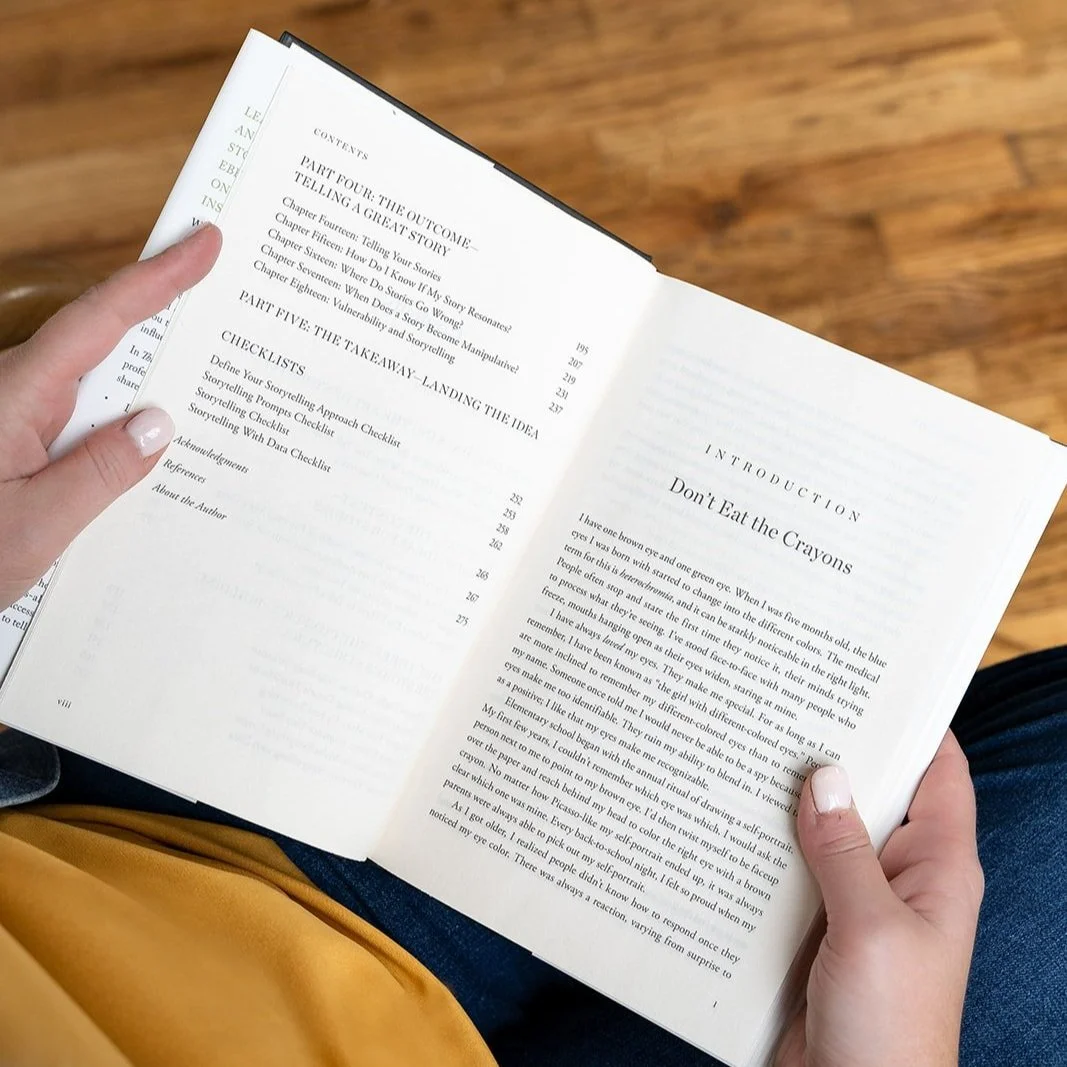
The title has always been The Perfect Story. There were a few minutes where I tried to convince my literary agent that the book should be titled, “Don’t Eat the Crayons.” The first story in the book gives context to this. While intriguing, it doesn’t help you know what the book is about.
The last line of my TED talk is, “Don’t wait for the perfect story. Take your stories and make them perfect.” That’s the point of the book. The perfect story isn’t sitting on a shelf waiting for you to pick it up intact. It’s developed from your thoughts, experiences, and ideas.
On a personal note…
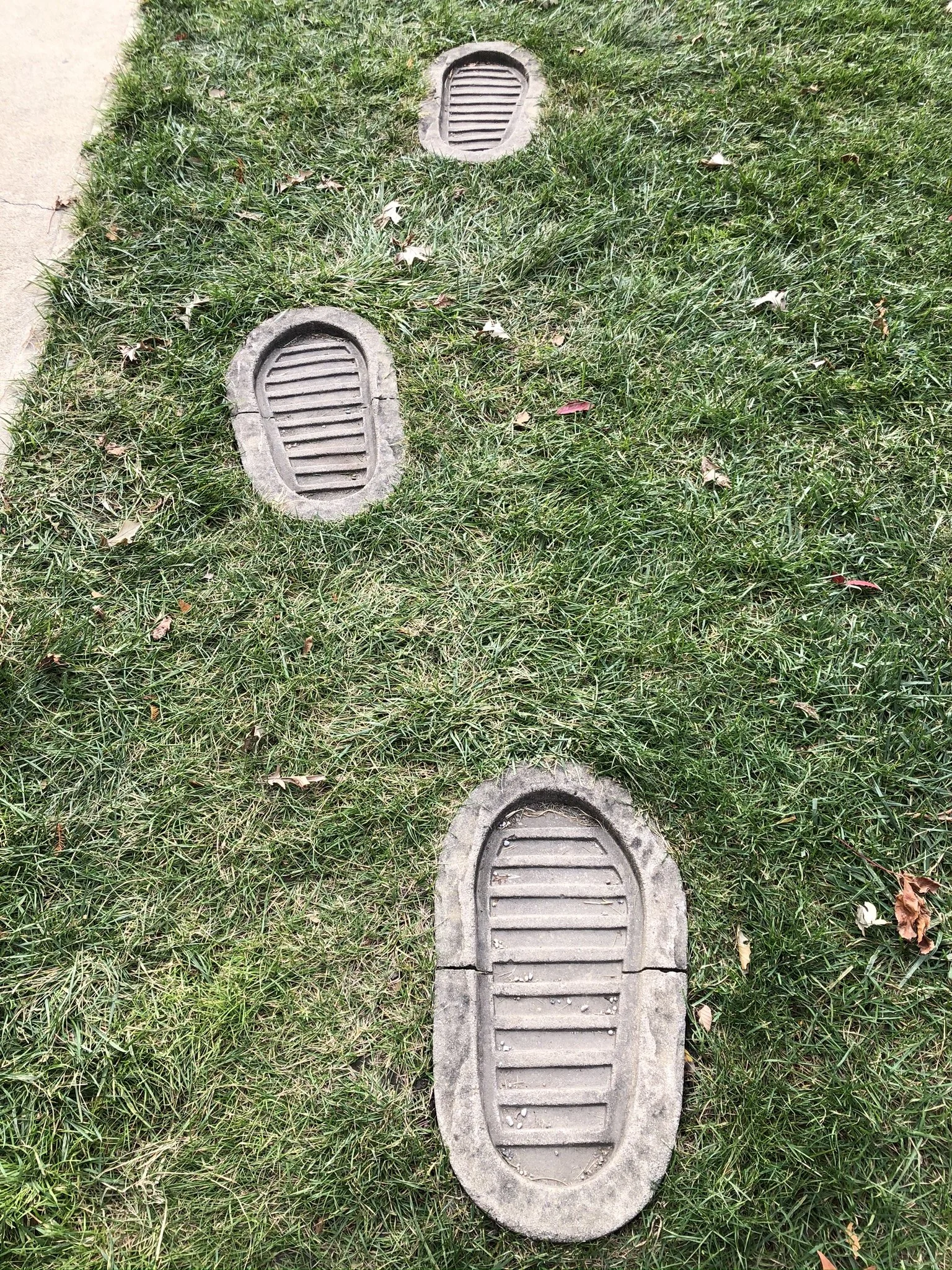
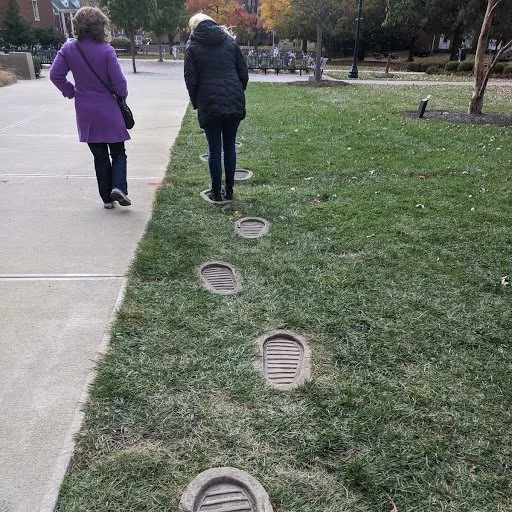
In November 2019, I was invited to Purdue University for a guest lecture. While walking across the campus, I came across a replica of Neil Armstrong’s footprints on the moon. I was able to fit both of my feet in one of them. As I stood there, I thought of my dreams. This moment is one of the X marks on the map of my life, I just didn’t know it. This visit prompted the invitation to speak at their TEDx. That led to my talk being put on TED and eventually, The Perfect Story in your hands.
Thank you for being on this journey with me. I wrote this book for you.
But don’t eat the crayons.