Get In, We’re Going to Buc-ee’s
Karen Eber is a keynote speaker and storytelling expert who helps leaders and organizations use narrative to shape culture, build connection, and change what people notice.
This article explores why ordinary things become extraordinary when someone experiences them for the first time and what that reveals about the stories we carry into every room we walk into. Drawing on fan moments from the 2026 Men's World Cup, it examines how expectations shape perception, why belonging begins with participation, and how the stories we inherit at work determine what we see and what we miss. These ideas form the foundation of Karen Eber's keynote speaking and organizational storytelling work.

The past few weeks, I’ve been logging on to check on the Men’s World Cup. I don’t care who wins the matches. I’m here for the stories of the tourists visiting the U.S.
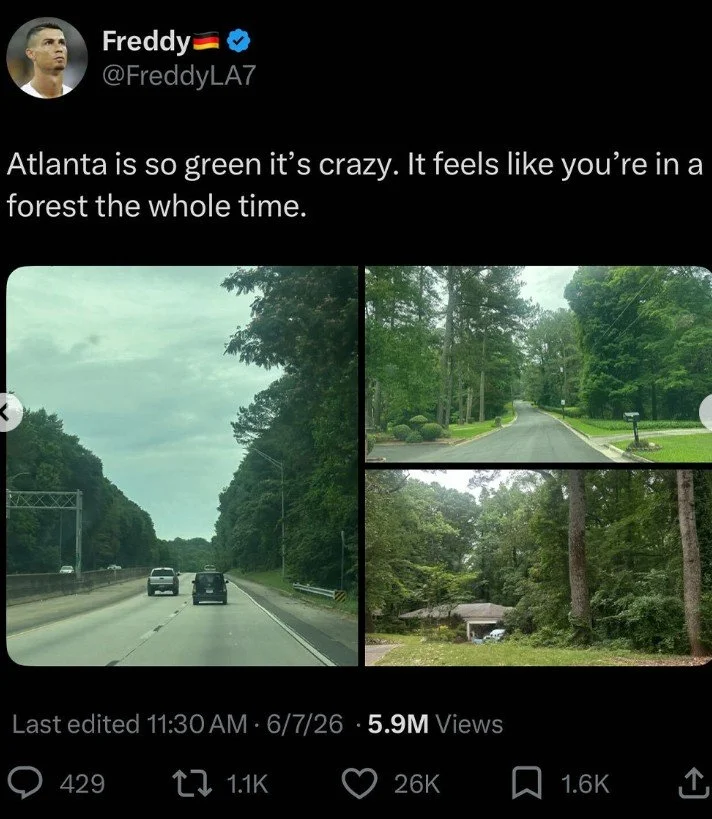
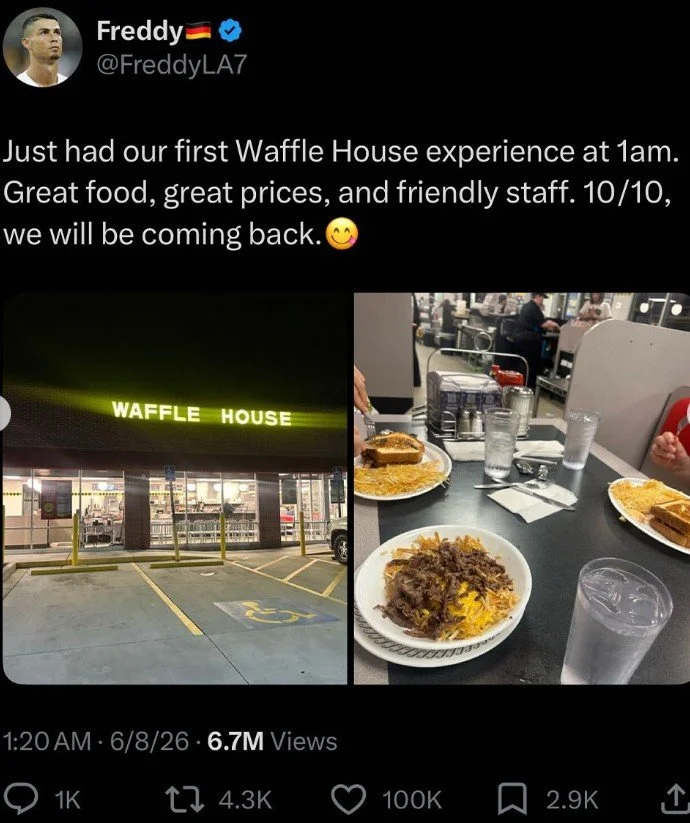
First there was Freddy, a German fan road-tripping across the United States between matches. He live-blogged every stop: historical sites, parks, Wal-Mart, Waffle House, Taco Bell, Buc-ee's. His following exploded as people joined him on the journey, delighting in his amazement at things many Americans barely notice.

Then came the Norwegian supporters, who took every opportunity to Viking row in perfect unison up escalators, through subway stations, in Times Square, and anywhere else they could find enough room.
The “Tartan Army” of Scottish supporters infiltrated downtown Boston, drinking so much beer that they broke sales records and required emergency deliveries. They marched to Fenway Park with bagpipes, sang through the streets, and somehow managed to decorate statues with traffic cones along the way.
Japanese fans eagerly sought out barbecue they had seen in movies, commenting things like, “The Game' was good but I LIKE BARBECUE!” and “Texas is good. Everything is big.” They came prepared with blue bags that had "Japan Pride," honoring the 30-year tradition of cleaning up trash in their section after the final whistle. Their actions inspired U.S. fans to join in.
The fan food obsession extended well beyond barbeque. Ranch dressing became a fixation with a Swedish fan declaring, "EUROPE WE NEED RANCH ASAP." For once, reality lived up to the hype. The TSA even gently reminded travelers to pack it in checked luggage if they wanted to bring bottles home.
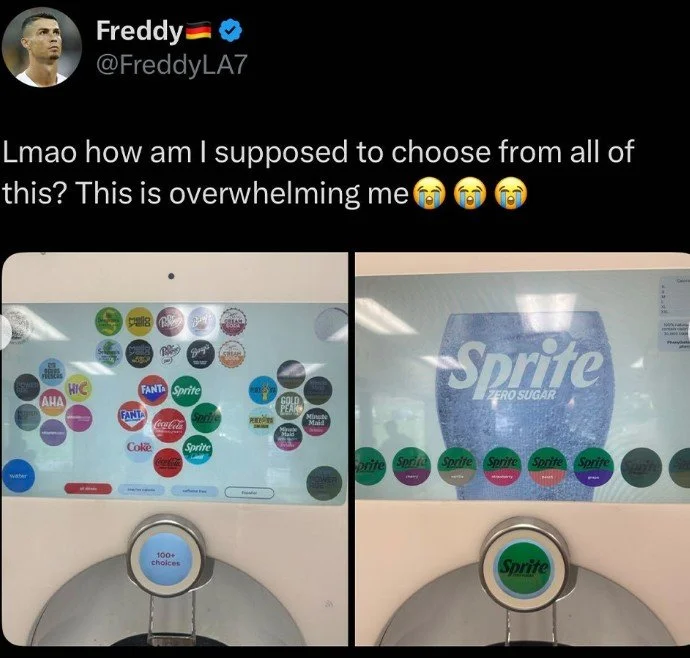
Others were shocked to find things they had seen in movies were real. Many stood in Wal-Mart or Costco, unable to process the endless aisles of food and goods. Others held enormous Slurpee cups next to their heads in disbelief. They marveled at how large the stadiums were. Some posed next to yellow school buses, stunned to realize they weren’t props. Freddy stood in front of a Coca-Cola Freestyle machine and had no idea which combination to choose.
The details are funny, but they also raise an interesting question:
Why do ordinary things become extraordinary simply because someone is experiencing them for the first time?
We Experience the Stories We Bring With Us.
These visitors didn’t accidentally wander into Buc-ee's, Taco Bell, or Waffle House. These were pilgrimages fans had planned after hearing about them.
The same is true when someone travels to see the Mona Lisa, visits Abbey Road, or stands in Times Square. Long before we arrive, we've already built a version of the place in our minds. Movies, friends, news stories, social media, and decades of cultural references build expectations before we ever buy the plane ticket.
Travel isn't just discovering somewhere new; it's comparing reality to the story we've been carrying. Sometimes reality disappoints. Visitors finally see the Mona Lisa and can't believe she’s so small. Or they arrive in Venice expecting the romance of quiet canals and find crushing crowds while struggling to navigate heavy luggage over countless stairs and arched bridges.
Other times, like with the Men’s World Cup, reality expands the story. Visitors didn't simply find bigger portions or larger stadiums. Many found warmer conversations, unexpected generosity, and moments that never make headlines…experiences the story they’d been carrying hadn’t prepared them for.
Stories Shape Expectations And Direct Attention.
One of the reasons Freddy became so compelling is that he observed things most people walk past every day. Familiarity changes what we pay attention to. The first time you stood in front of a Coca-Cola Freestyle machine you marveled at the combinations. Over time, that awe faded into expectation. Nobody stops to photograph a yellow school bus unless your only experience with one has been on a movie screen.
The story someone carries into an experience becomes a spotlight, directing attention toward what feels worth noticing. That’s true when we travel, and it’s equally true at work. Walk into a new organization after someone tells you, "Marketing never listens," and you’ll find confirmation everywhere you look. These stories become the culture, influencing what we expect and see.
The Fastest Way to Connect is Participation.
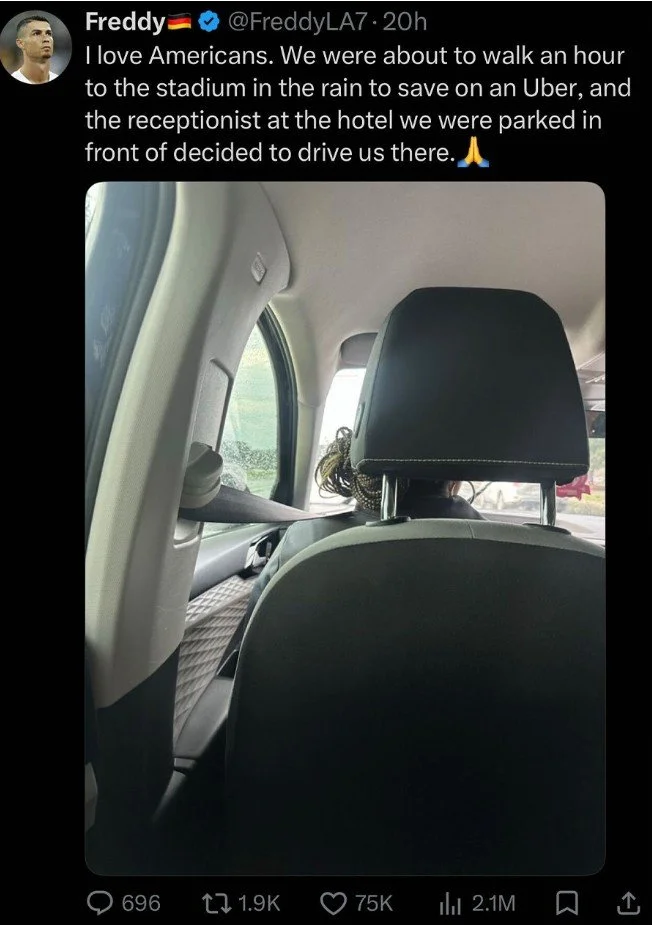
Some of my favorite moments from the Men’s World Cup had nothing to do with what happened on the field. Locals started noticing the visitors and contributed to their experiences. A deli owner in New Jersey gave visiting fans free lunch simply because they had traveled so far. Firefighters in Alabama invited foreign visitors into their station and sent them home with hats and t-shirts. Freddy’s hotel receptionist drove him and his friends to the stadium rather than let them walk. Strangers offered him rides on private plans, tours of NASA and the White House, complimentary hotel stays, and a backstage introduction to country star Ella Langley all because his genuine curiosity made people want to be part of the story.
We often assume belonging comes from finding people who are like us. The Men’s World Cup offered a different reminder. Belonging often begins by participating in someone else's tradition. People sat next to Norwegians and joined in on the Viking row. Fans from different countries fell in alongside Scots, singing in the streets. People who had never met bonded over something bigger than themselves. These rituals and stories of who we are help us learn about each other and make the world a little smaller. You don’t have to understand every word to join the chorus.
What Stories Do We Leave With?
Many traveling to the Men’s World Cup mentioned they were initially hesitant to attend. They expected an unsafe, unwelcoming America, a story assembled from political news, viral videos and international coverage that naturally emphasizes conflict.
Once they arrived, they found strangers welcoming them, well-organized host cities, everyday kindness, and a true sense of the normal life that takes place between the headlines.
The Men’s World Cup is a competition, but what spread around the world weren't the goals or trophies. It was the moments that remind us that experiences are rarely just about the place itself. They're about the expectations we bring, the details we notice, and the people who shape what happens next.
As someone who studies and educates others on storytelling, we often think we talk about stories as though their job is persuasion. Watching these fans reminded me of something else. Stories are guides.
They tell us where to look—toward a place, an idea, or another person.
And sometimes they help us notice something that was there all along.
Karen Eber is an author, TED and keynote speaker, and communication strategist who works with frontline leaders, senior executives, and C-suite teams at Fortune 500 companies. She specializes in breaking down the science of communication and decision making to influence outcomes. Karen partners with teams across sales, marketing, communications, HR, finance, operations, legal, and IT. She works across industries including healthcare, technology, financial services, manufacturing, energy, consumer goods, retail, professional services, education, and nonprofits — helping leaders turn complex information into clear, compelling stories that drive decisions and action. She is the author of The Perfect Story. Learn more about her keynotes and workshops at kareneber.com/speaking.