The Pause that Speaks Volumes
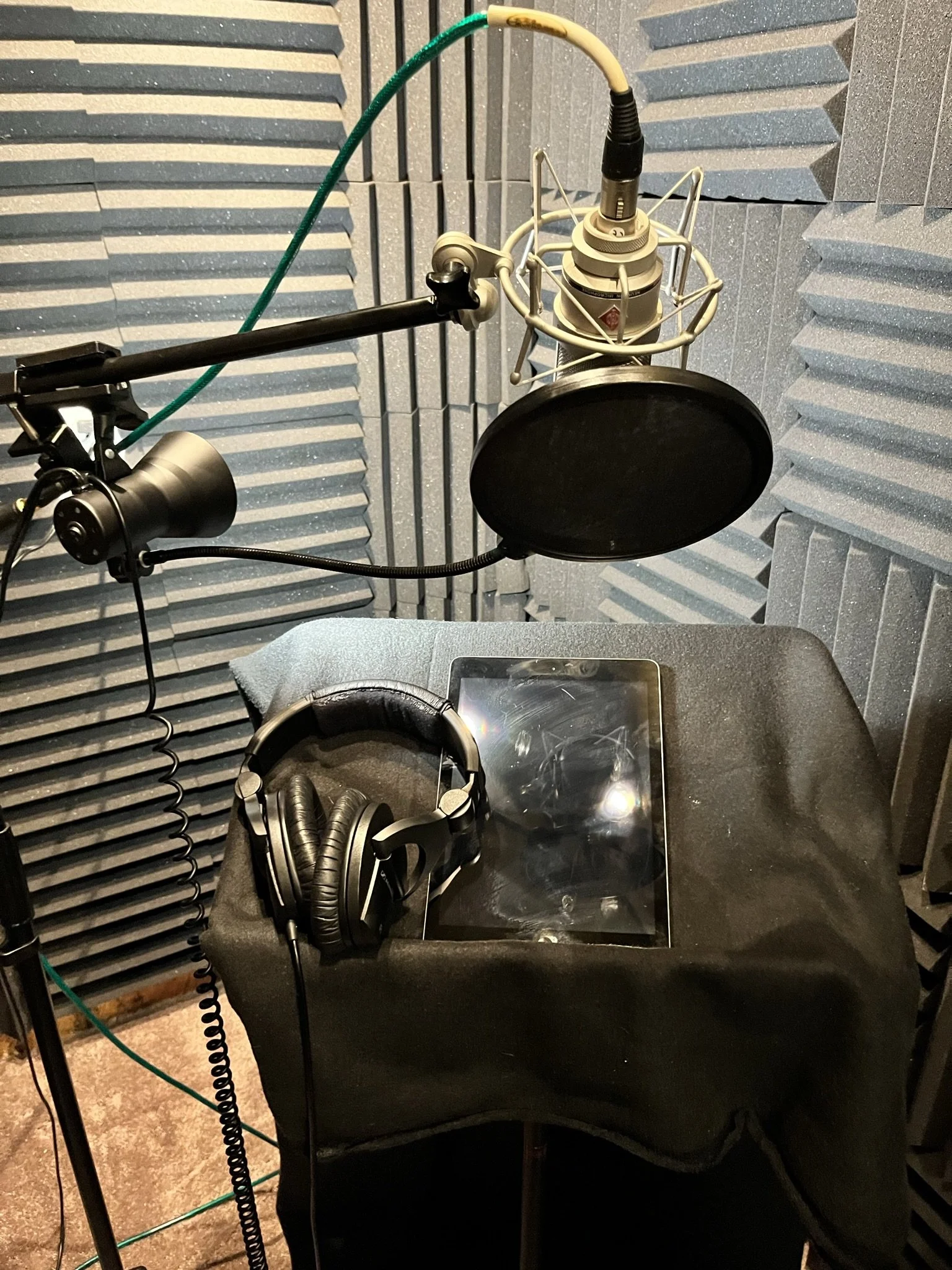
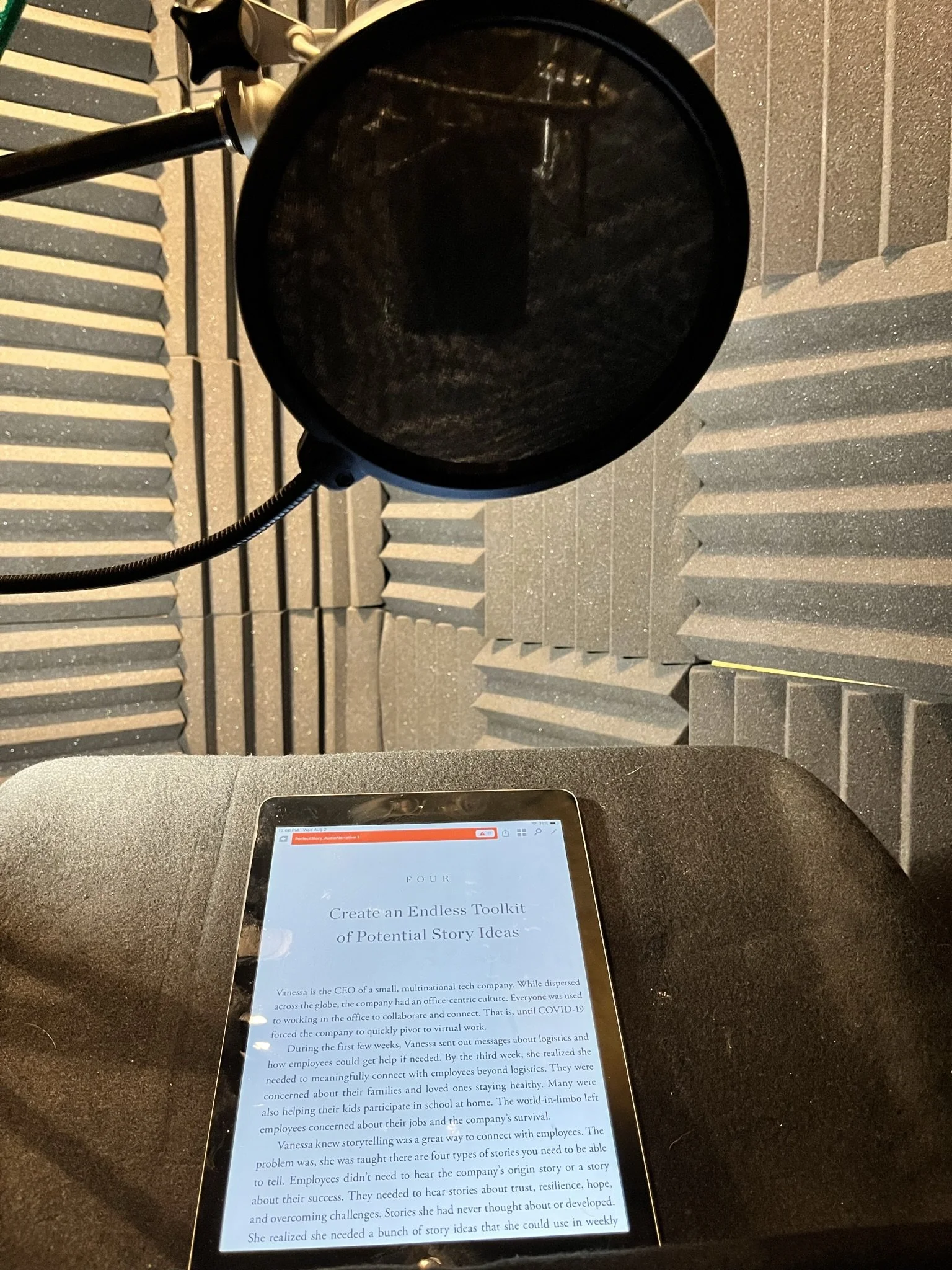
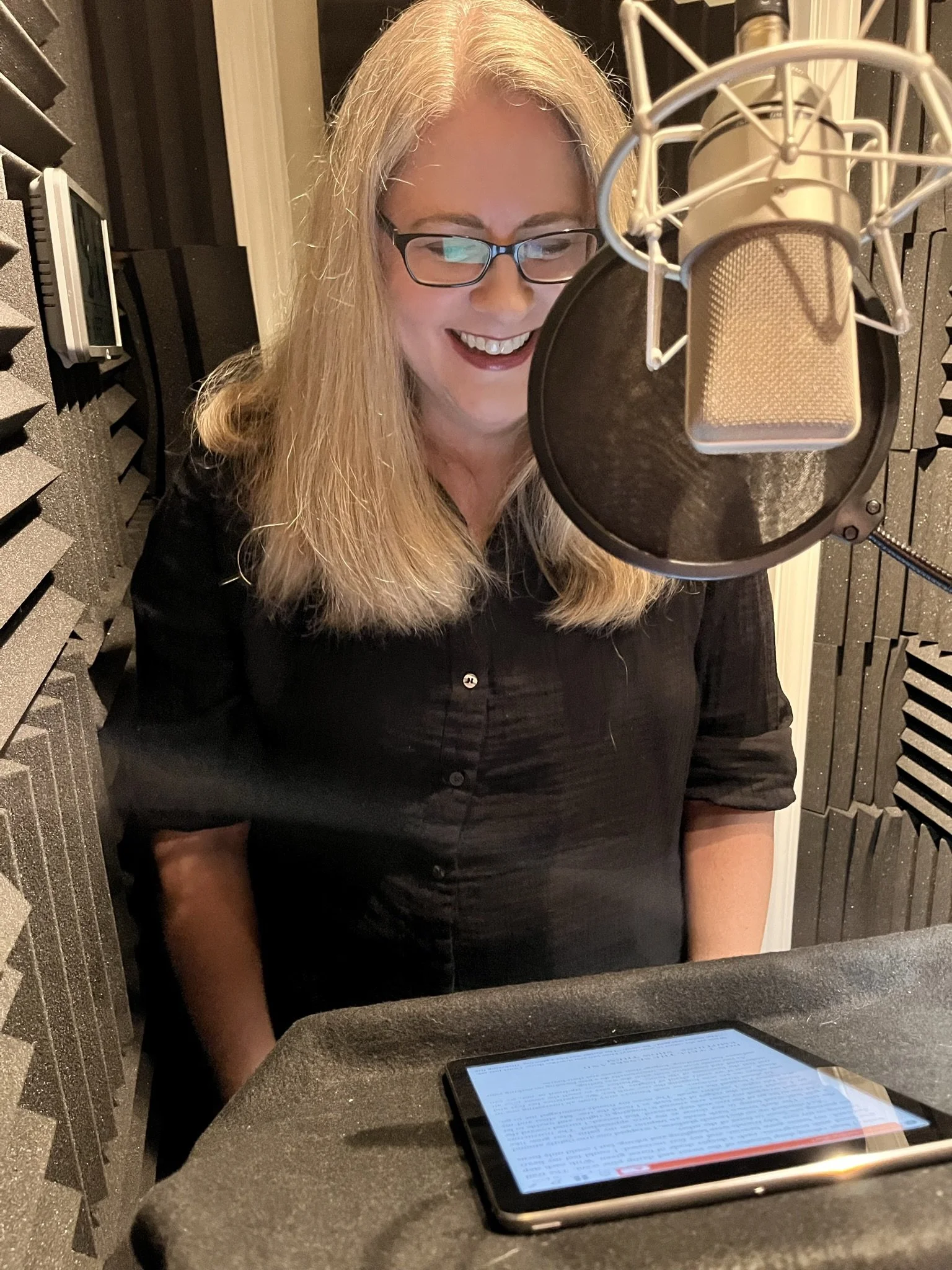
I recorded the audio version of The Perfect Story last week. It was always important to me to be the one to record the audiobook, even before the manuscript was sold. I’ve had some experience recording books on tape in college for visually impaired students and voice-overs for companies. I couldn’t imagine someone else reading my words and stories—especially the personal ones.
There were so many choices to make around inflection, pacing, and emotions. When I’m giving a keynote onstage, I can use my body and my facial expressions to bring the story to life. Audiobooks only provide the spoken word, but it involves so much more than reading the words on the page.
I knew I needed to invite someone to join me in the recording booth. She’s been involved in each of my stories, blog posts, TED Talk, keynotes, podcast appearances, and the book. I’ve just never introduced her to you.
We’ve worked together so frequently that we anticipate each other’s moves. She knows when I am going to toss it to her, and I know how long her portions take. Our exchange has become a fluid dance.
Her name is Pause, and she’s an intentional character in each of my stories. The strategic use of pause helps build or release tension. It allows your brain to catch up and helps ideas to land. Meaning is created in the pause as you process what is said.
We live in a noisy world, amplified by the running dialogue in our brains. It’s easy to drift off when we hear others speak. We notice when the words stop—both verbally and in written form.
White space creates pause.
It stops skimming.
Attention is caught and ideas land.
We focus so much on what we say that we often neglect to incorporate these moments of quiet.
You know when speakers say, “Let me say that again…” and then repeat their sentence? I hate that. They don’t need to repeat themselves. They need to pause so you can repeat it in your head. The point lands stronger when you internalize it, not when the speaker repeats it.
Pause is close friends with pace and inflection. Together, they create a cadence and vocal variety that capture the audience’s attention. But it’s pause who is the real star. Because she is the brain-friendly sherpa that guides ideas to landing.
Pause is a character
As you develop your stories and communications, cast a role for pause. It’s as simple as asking yourself: Where can I incorporate pause? Short pauses may be a second or two. Significant pauses (after a big idea or controversial statement) should be three to four seconds. When you resume after a pause, change up your cadence and pitch. You’ve got their attention, it’s time to maximize it.
Pause also helps create effective virtual communication. There is a tendency in virtual environments to talk nonstop. Without nonverbal cues, there is even more of a need to incorporate pauses. They help people follow along and can slow screen and listening fatigue.
In an audiobook, the producer is typically in charge of pause. They can add or remove space to improve the listener’s experience. My audio producer was Robert, and we worked together on pause. When I came out of the booth he said, “You are exactly right, pause is a character!” He saw where I invited her in, and we let her take up the space she needed.
What Was It Like to Record the Book?
SO FUN!
It is a bit like acting. Robert encouraged me to do a few different takes experimenting with emphasis or tone. The inflection you use to open a chapter is very different from the way you lower your voice to conclude a chapter. Like most people, I am not a fan of hearing my voice on a recording. But put me in a soundproof recording booth with a top-notch microphone (Neumann TLM 103), and I love it! It was so crisp and warm, and I frequently sounded like an NPR podcast host.
I quickly learned my background in music wasn’t helping me. When I play my flute or piccolo, I look one or two measures ahead for what comes next. If I looked ahead on the audiobook manuscript, I’d flub the words. In music, there is natural phrasing and places to breathe. I found myself trying to breathe the same way I would in music. That didn’t work. I experimented with cadence and made real-time decisions on where to sneak in some air so I could finish a sentence. My brain struggled with cognitive dissonance after 30 years of a musician’s mindset.
We’d recorded three days, for about 4.5 hours each day. That is about the limit before the voice weakens. Robert sat outside the recording booth running the board and following along on a manuscript. Cooper, his dog, joined us in the studio and brought me balls to play with on breaks.
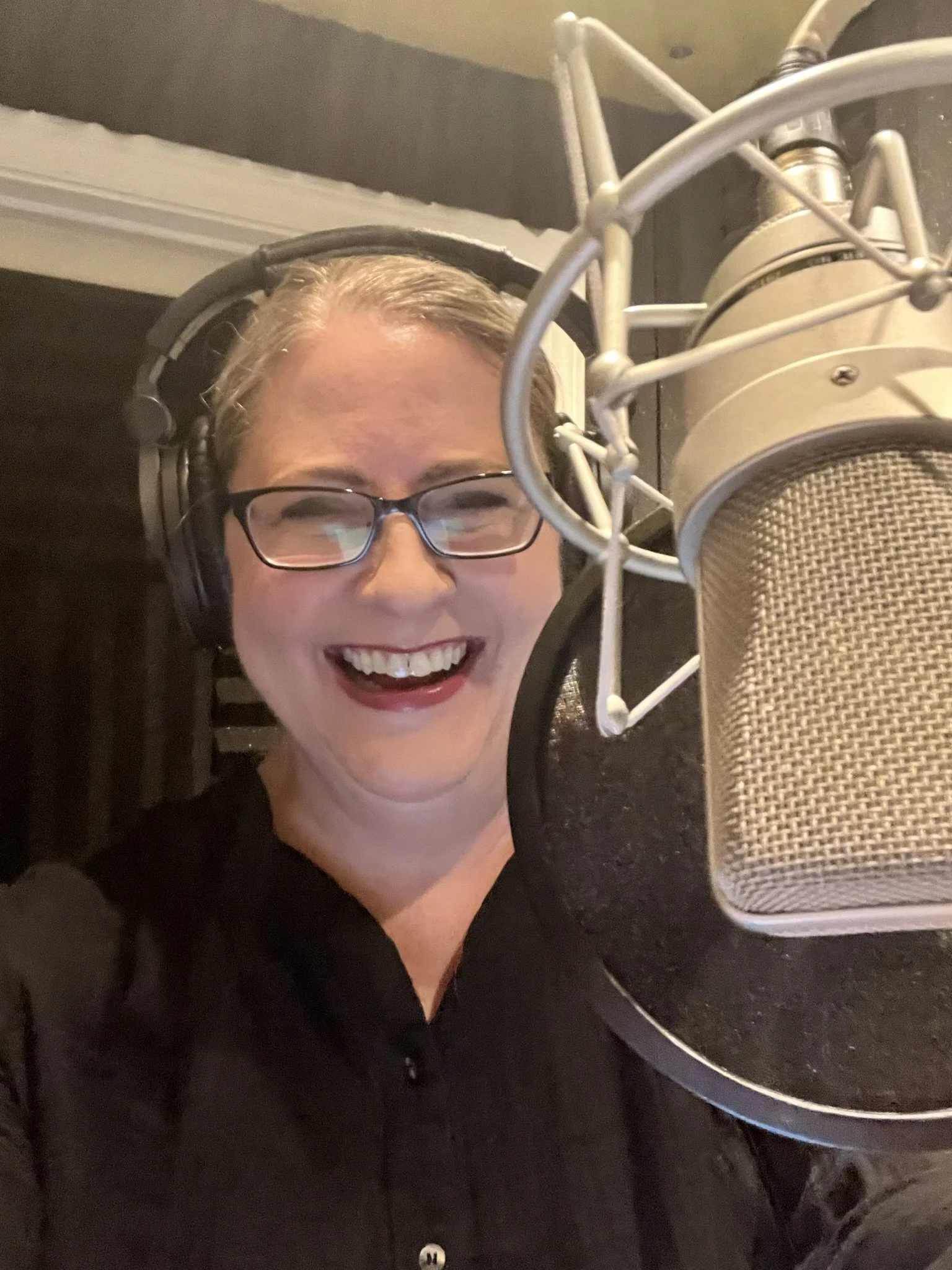

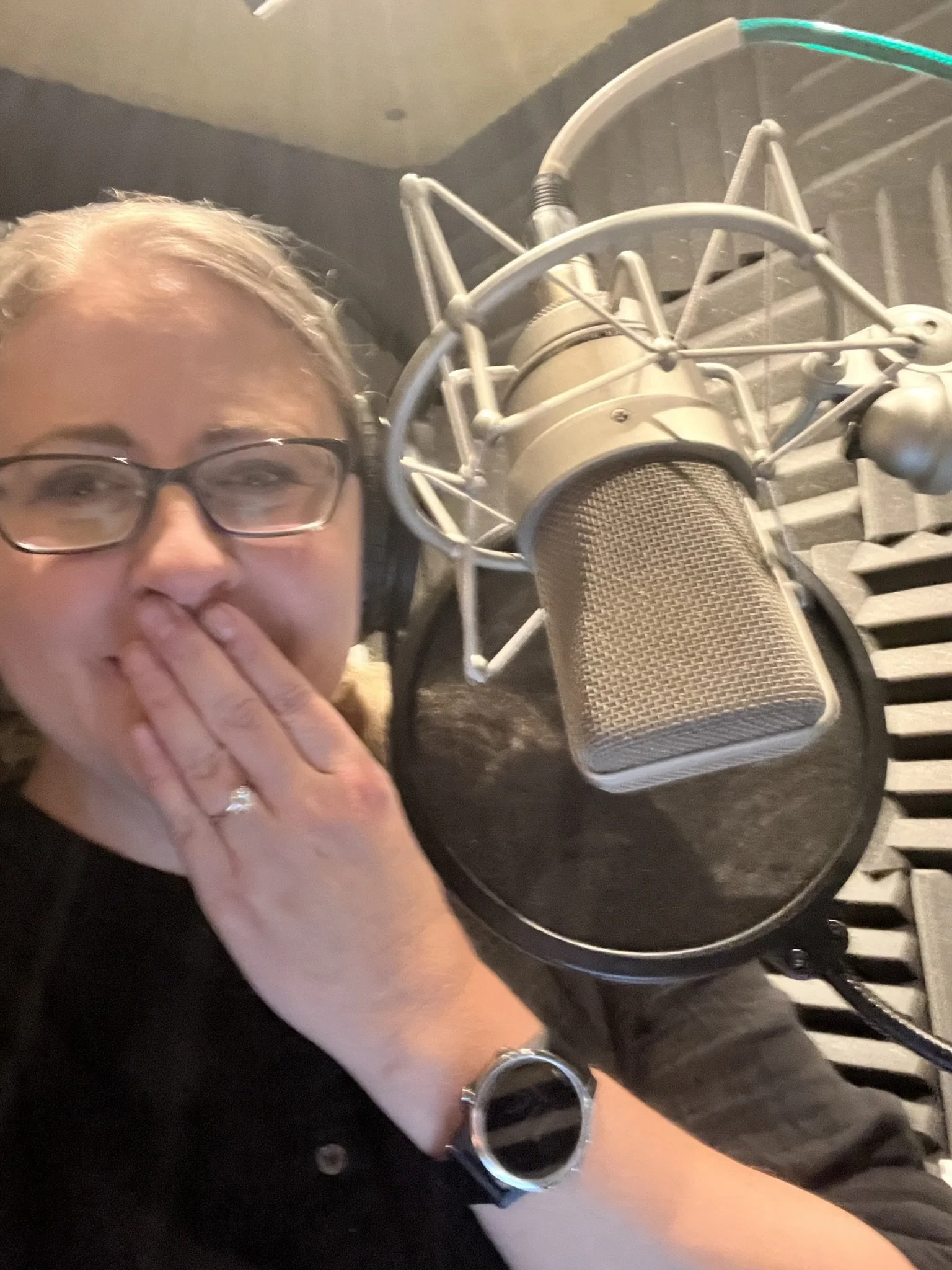
This was me in the booth, Cooper bringing me a ball, and me reading the final words of the book
Robert would pop in my headphones and tell me when I didn’t enunciate, made a mistake, or share a suggestion. My favorite moments were when he offered encouragement. Because I couldn’t see him, he was like my inner voice cheering me on. We all need a little Robert in our ears telling us how great we are doing each day.
I drank 75 oz of hot tea and water with lemon throughout each session. I had intended to be on vocal rest the days leading up to the recording, but I recorded four podcasts the day before starting. You may hear some hoarseness when listening to the acknowledgments, but that was more from emotion than anything else. The hardest pieces to record were the last two paragraphs because I started to get emotional. Robert’s gentle voice came into my ears saying, “It’s ok, we have all day.”
I loved bringing these stories to life. It was fun to share a live version of these stories. It gives a different experience from the hardcopy or eBook. My goal is for you to feel we are sitting together and talking. You’ll hear me whisper, exclaim, laugh, and even get choked up. I’m so grateful I could pour my heart into this for those who prefer audiobooks or like to pair them with hardcopies or eBooks. Pause and I both hope you love it.
***
Audiobooks are available for preorder through Amazon, Barnes & Noble, Audible, and Libro.fm, Apple Books, Book a Million, and Kobo. Preorder today and it will automatically be delivered to your device on October 3, 2023.
(Note: if you see two other narrators listed in addition to me, disregard them. I am the lone narrator, reading the book to you from cover to cover!)
Want to receive more articles like this one? Sign up for Brain Food here.