Like a Moth to a Flame
Like a Moth to a Flame
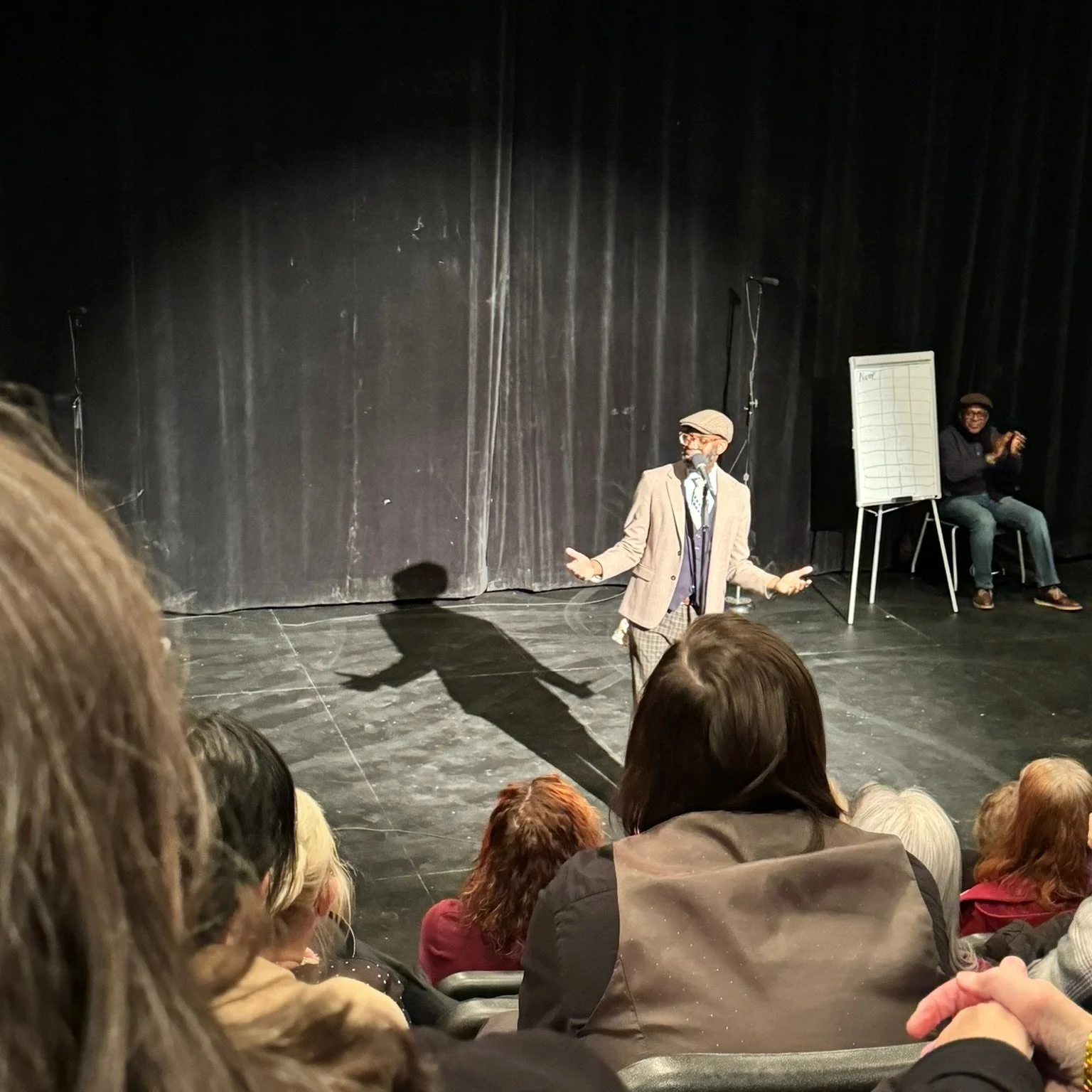
Last night I went to one of The Moth's story slams. If you've read The Perfect Story, you'll remember my interview with Sarah Austin Jenness. These events are celebrations of storytelling and the art of listening. I’m going to be putting on a story slam at a huge conference for one of my clients and wanted some inspiration.
One of the most popular questions I am asked is, “What makes a great story and where are people challenged?” Last night exemplified both and I wanted to break them down for you.
Story slams are like an open-mic night with specific rules. People who want to tell stories drop their names in a bag. Ten storytellers are randomly drawn. Anyone selected must tell a personal story that they’ve experienced in under five minutes. No notes or props are allowed. This isn’t a stand-up comedy routine or a poetry reading. Each story was to align with last night’s theme: “First impressions.” Exceed the five-minute limit and bells ring. At six minutes you hear loud clapping. Three sets of judges selected from the audience rate each person on a scale of 1 – 10.
I’d love to say every story was captivating. But many tripped over common mistakes. Especially those who didn’t prepare in advance. Below are themes for what worked and didn’t.
Lack of Structure:
There were a few speakers that didn’t have a structure to the story. There was no clear beginning, middle, or end. In some cases, they listed events: “This happened, then this happened, then this happened.” It was hard to follow what was happening, why, or what was important about it.
If your story doesn’t have a basic structure, you’ll lose your audience and ramble. Work through the context, conflict, outcome, and takeaway to organize your thoughts and make it easier for the audience to follow.
The Tortoise Start:
A few people didn’t get to the start of their story until the bells chimed at the five-minute mark. For the first few minutes, it was hard to understand the story. As it started to take shape they were out of time. This typically happens when no prep is done. If you have a five-minute time limit, you should practice a story that is three minutes and thirty seconds long. When you tell it live, it will naturally expand through audience interaction. No one is disappointed when things end early, but they are when they end late.
Prepare communications and stories to be a third shorter than the allotted time. Jump right in at the heart of the message and story. Get to why you are telling the story without qualifying it.
Too Many Irrelevant Details:
Six of the storytellers ran long. Some hadn’t practiced in advance and included too many irrelevant details. They bogged down the pacing, didn’t advance the plot, or failed to share insights about the characters. They detracted value instead of adding it.
The details that are meaningful to us often aren’t to the audience. Engage the senses and describe the story so we feel like we are alongside you. But do that with one sentence, not five. When developing stories, if you can cut it and nothing is lost, do it.
The Power of the Microphone:
Something interesting happens when we stand in a spotlight with all eyes on us. It’s exciting and invigorating, even if nerve-wracking. If you haven’t prepared your story, you get caught up in that attention. You start interacting with the audience and neglect the plot and story.
The business equivalent of this is the leader who thinks people will listen to them because of their permission. Attention is earned. Stories are an exchange of energy. It’s one of the exciting reasons to share them. Prepare your stories in advance so you can build on energy and not lose your audience.
Narrating Your Story:
When we’re nervous, we often want to say “This story is about…” before beginning. But that detracts from what you are about to say. Set the context through the story.
Don’t announce “Let me tell you a story” or “The moral of this story is...” These sentences steal away the audience’s attention. Don’t narrate what you are doing, tell the story. Explain the idea of the story without announcing it. Comedians don’t say “Let me tell you a joke” or “The reason this is funny is…” They jump right in and let you experience the rest. So should you.
Time and Place:
Stories that were captivating started with a time and place. “I’m 20 years old in New York City…” “I’ve just graduated from college and have landed my first job. I’m walking down the street when I get mugged…” Many used the present tense.
Giving the time and the place helps the audience know where to place the story. It also helps them form their mental image of the time and place. Giving it in the present tense makes that easier to experience alongside you.
Unexpected Twists:
The best stories of the night resulted in a gasp from the audience when an unexpected detail was dropped. These lulled you into thinking they were about one topic and then abruptly revealed things weren’t as expected. These slowed audience assumptions and gave the story a different takeaway.
Including unexpected plot points or details helps the audience’s brain pay attention. These “I didn’t see that coming!” moments are memorable and intriguing.
Audience Connection:
The best storytellers were mindful of the role of the audience. They interacted with them and made their stories relatable. The stories that fell flatter were delivered as a performance where the audience’s presence was optional.
Don’t tell stories in a one-way delivery. Intentionally engage the audience by giving examples and metaphors they will understand. Interact and use gestures to make them feel part of the story.
Want to receive more articles like this one? Sign up for Brain Food here.
Want to get started with storytelling?
Order The Perfect Story
Take our free assessment to determine your storytelling approach.
Check out the Jumpstart Your Storytelling course.
Listen to any of my guest appearances on podcasts through my Spotify Playlist