A Reunion with Miss Pac-man
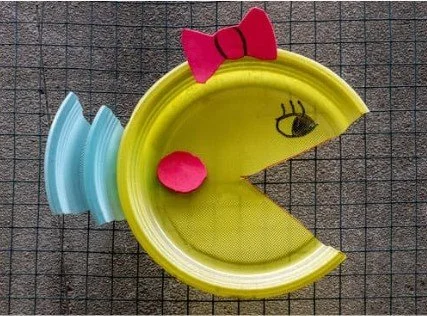
When I was nine years old, Miss Pac-Man was my jam. The moment I pressed Start and the intro music played, my body launched into a shimmy-wiggle of delight. I guided Miss Pac-Man around the maze with ease as she gobbled pellets and bouncing cherries. I flung her around the corners, snagged energizers, and devoured the blue ghosts with swagger.
I could play for hours and never run out of enthusiasm or energy. Nothing was at stake. I wasn’t trying to prove anything. I just played.
A few years ago, I visited a classic arcade—and there she was. I headed straight for the machine, ready to show I still had it. I pressed Start and the music started. My shoulder twitched, ready to shimmy.
But something was off.
The game felt harder than I remembered. Miss Pac-Man didn’t move with the same ease. I couldn’t outrun the ghosts, and they kept blocking the energizers. I started throwing a shoulder into it, as if I were shoving a piece of furniture. My hand tightened into a claw around the joystick. I was convinced that if I just pushed harder, reacted faster, tried more…it would all come back.
It didn’t.
The ghosts took me out quickly.
I tried again. Same result. I gripped the joystick even tighter, certain effort was the answer. At first, I didn’t even realize I was doing it. But the harder the game felt, the tighter my grip became.
That’s usually how it goes, isn’t it?
When something stops flowing, we assume the fix is more. More force. More focus. More control.
That machine humbled me. I walked away and wandered over to the pinball machines instead.
I played all the classics: The Addams Family, The Twilight Zone, Star Wars, and Indiana Jones. And somehow, the same thing happened there too. There was no ease. Every time I hit the flippers, my whole body flinched. Except I wasn’t pressing them, I was squeezing them like someone administering CPR.
I didn’t notice how tense I was until the next morning, when my forearms ached. It took me a minute to realize why: I’d been squeezing the flippers as if the outcome depended on it. There was nothing light about my touch.
When did fun turn into effort?
When did play become something I needed to muscle through?
How had I not noticed it happening?
I wish I could say this was a one-off. But when I look at things that are important to me, this pattern shows up again and again. I bet it does for you as well.
When I play the flute or piccolo, I can get heavy-handed. I press the keys too hard or force too much air, especially during a challenging piece or run. But the key to a good tone isn’t force; it’s control. Pushing more just ruins the sound and wastes energy and air. My intent is good. I try harder because I care. And yet, the more I force it, the worse I play. What once flowed starts to feel strained. I have to remind myself to play lightly. To relax my fingers and soften my breath.
This is often what happens when something matters. When you want it to go well. When you’re afraid of messing up.
The same thing happened with my book. I held it tightly during the publishing process and those early days when it entered the world. It felt personal and vulnerable. Letting go felt risky. Over time, I learned to loosen my hold and enjoy watching it find its place.
The same was true the week my TED talk went live. The response was overwhelming, and instead of taking it in, I felt exposed. My mind jumped to what might go wrong.
I see it in jobs I’ve held, too. Times when everything felt urgent. My calendar was full and meetings overlapped. Every email seemed to demand an immediate response. Every decision felt heavy with consequence. Moments when I told myself I was responsible for things I probably wasn’t. I gripped tighter and tighter when I really needed to loosen my grasp and reset.
We grip because we care. Because the stakes feel high. We’ve told ourselves a story about what’s happening or what it means. Because letting go feels like recklessness when in reality, it requires trust.
This time of year, people look ahead and make plans for what they want to accomplish in the coming year. I’m thinking about something else entirely.
I’m thinking about where I’ve been holding on too tightly. Where I can loosen my grip.
You can usually feel it before you can name it. The tense shoulders. The feeling of responsibility. The sense that if you push a little harder, things will finally fall into place.
Maybe it shows up in your work or your creativity. Perhaps it emerges as fatigue or a quiet loss of enthusiasm. Sighs come more often. Frustration arrives faster. You perpetually feel two-steps behind. There’s little room for play, curiosity, or rest.
But the moment you back off, it gets easier.
When you loosen your grip, things lighten, performance improves, and joy returns. A tight grip starves the moment of oxygen, like logs packed too closely on a fire. A lighter touch creates space for creativity, goodness, and playfulness to emerge.
This year, I don’t want the claw grip on the joystick. I want to notice when it appears and choose something softer.
Not giving up.
Not caring less.
Not trying less.
Just loosening my grip enough to allow ease.
And paying attention to that nearly invisible moment when effort turns into force,
When my grip tightens just a little too much.
Trusting that ease isn’t the enemy of excellence.
That a lighter touch can still move things forward.
And that sometimes, the thing that helps everything work again is simply loosening your grip.
Maybe that’s the question worth carrying into the year ahead:
Where might a lighter touch change everything?